Hey there, if you’ve ever dealt with jet pumps, you know that annoying vibration that feels like your whole system’s shaking loose—whether it’s a water pump for a well, a fluid transfer setup at a small factory, or even a HVAC jet pump for your building. As a jet pump supplier, I see this all the time from folks who reach out saying their unit’s vibrating so bad it’s causing noise issues, wearing out parts faster, or even scaring off their tenants. Let’s break down why this happens, and more importantly, how you can fix it without needing a whole new pump. First, let’s keep this real—no fancy engineering jargon you’d never actually use, just what works day-to-day. Jet Pump

First, let’s cut to the most common culprit: misalignment. I can’t tell you how many times a customer’s installed their new jet pump without lining up the motor and pump shaft correctly, even if they followed the basic setup. Wait, no—wait, let’s make it more specific. When the motor’s shaft and the pump’s impeller shaft aren’t perfectly straight, that creates what’s called angular misalignment, right? It’s like trying to line up two sticks that are tilted a little when you push them together. The constant rub and pull there causes vibration that gets worse the harder the pump works. I’ve seen this ruin a bearing in a week flat. The fix here? You don’t need a $500 laser alignment tool, though those work great. If you’re a small operation, grab a straightedge and feeler gauges (or even a thick playing card if that’s all you have) to check the gap between the motor and pump flanges. Adjust the shims under the motor mounts until the edge lines up perfectly with the pump’s face. Do this when the system’s cold—alignment changes when parts heat up, so don’t skip that step.
Next, worn or damaged components. Jet pumps have moving parts, and they take a beating, especially if you’re moving dirty or inconsistent fluids. The impeller, that little fan-looking part inside the pump, can get bent or clogged with debris over time. If the impeller’s off-balance, even just a tiny bend, that’s a huge source of vibration. I had a customer last month who was complaining of shaking so bad his office lights were flickering above the pump room—turns out his impeller had a chunk of grit stuck in one blade, throwing it off balance. We sent him a new impeller as a replacement part, and he didn’t have any issues after that. Wait, but it’s not just the impeller. Bearings too—they spin thousands of times a minute, so after a couple years, they’ll wear out, get rough, or develop play. If you wiggle the motor shaft and it moves more than a tiny bit, that’s a bad bearing, and replacing it will cut vibration way down. Pro tip: when you replace any internal parts, make sure they’re OEM (original equipment manufacturer) parts from a reliable supplier, not cheap knockoffs. I’ve seen knockoff impellers that are made from thinner plastic, so they bend way easier and cause more vibration than they’re worth.
Another big one: suction side issues. A lot of people focus on the pump itself, but the line pulling fluid into the pump is just as important. If there’s air leaking into the suction line, or if the line is too small, that creates something called cavitation. Wait, let’s explain cavitation like you’re 10—when the pump tries to pull fluid, if there’s not enough fluid or too much air, it forms tiny bubbles in the line. Those bubbles get crushed when they hit the pump’s impeller, and that impact is exactly the vibration you feel. I can spot cavitation by listening—if it sounds like the pump’s making a coffee maker gurgle instead of a steady hum, that’s the problem. How to fix it? First, check all the suction line fittings for leaks. Tighten them up, or replace old gaskets that are cracked. Second, make sure your suction pipe is at least as big as the pump’s suction port. If you have a 2-inch pump and you’re using a 1.5-inch pipe, that’s constricting flow, leading to cavitation. Also, avoid long, sharp bends in the suction line—each bend adds resistance, which can cause that same flow issue. If you have to bend it, use gradual, wide-radius bends, not 90-degree sharp turns.
Mounting is another thing people sleep on. If your jet pump is bolted to a wobbly surface—like a flimsy metal shelf or a concrete pad with cracks—that’s going to amplify every little vibration from the pump. I’ve seen customers mount their pump to a wooden table that’s only screwed into the wall with two tiny screws, and no surprise it shakes. The fix here: use a solid, rigid mount. If you’re mounting it to concrete, make sure you drill expansion bolts that go deep enough—like 4 inches into the concrete, not just 1 inch. If you can, put rubber vibration isolators between the pump’s base and the mount. These are little pads or mounts that absorb the vibration instead of letting it transfer to the rest of your building. We sell these as an add-on for our pumps, and customers say they cut noise by half, which means less vibration too. Also, check all the mounting bolts regularly—they can loosen over time, especially if the pump’s running a lot, so give them a tighten every few months.
Wait, what about when you’re using the wrong jet pump for your job? I can’t tell you how many times someone’s bought a cheap jet pump from a big box store because it was cheap, not realizing it’s underpowered or wrong for their flow needs. If your pump’s working way harder than it’s designed to, that’s going to cause excess vibration. For example, if you need a pump that moves 100 gallons a minute, and you buy one rated for 50, it’s straining, leading to vibration, overheating, and early failure. As a supplier, I always ask customers about their specific needs—what fluid they’re moving, how much flow they need, the distance they’re pumping—because matching the right pump to the job is the first step to avoiding vibration in the first place. I had a farmer who bought a small jet pump for his irrigation system, and it was vibrating so bad it knocked loose his sprinkler lines. We swapped it for a model rated for his 150-gallon a minute need, and he’s had zero issues since. That’s not just a sales pitch—matching the pump to the application is way more important than any of the fix-up steps after the fact.
Now, let’s talk about some quick checks you can do right now, no tools needed. First, turn the pump off, wait for it to cool, and unplug it (safety first!) then reach into the pump and gently wiggle the impeller. If it moves more than 1/8 of an inch, that’s a sign of a worn bearing or misaligned impeller. Next, listen to the pump when it’s running—does the sound change when you adjust the flow valve? If opening or closing the valve makes the vibration worse, that’s probably a suction issue, like cavitation. Also, check the fluid level if it’s a jet pump for a well—if the water level in the well is dropping below the jet pump’s intake, that can cause cavitation and vibration. A lot of well owners forget to check that, so they’re messing with the pump when the real issue is just a low water table or a clogged well screen.
Wait, let’s address a common myth: some people think adding extra pipes or weights will fix vibration. No, that usually makes it worse. For example, adding a heavy clamp to a pipe might seem like it’ll stabilize it, but if it’s not installed right, it can create a new point of stress, leading to more vibration. Or, wrapping the pipes with foam—if the vibration’s coming from inside the pump, foam on the pipes won’t fix it, you need to fix the pump first. The foam might muffle the noise a little, but it’s not a long-term solution.
Also, if you’ve tried all these steps and the vibration is still there, it might be a sign of a more serious issue, like a bent shaft in the motor. A bent shaft is hard to spot without tools, but it’ll cause vibration that gets worse as the motor speeds up. In that case, it’s usually easier to replace the shaft (if it’s a separate part) or, depending on the age of the pump, swap in a new motor. Again, as someone who sells jet pumps, I always recommend going with OEM parts for replacements instead of mixing and matching, because incompatible parts can throw alignment off even more.
Let’s wrap this up with a few do’s and don’ts to keep it simple. Do: check alignment when installing, replace worn impellers/bearings, fix suction leaks, use solid mounts, match your pump to your needs. Don’t: skip alignment checks because you’re in a hurry, use cheap knockoff parts, ignore suction line issues, mount the pump to a flimsy surface, buy a pump that’s too small for your job.
At the end of the day, vibration in jet pumps is almost always preventable, or at least fixable, with a little basic maintenance and setup. If you’re not sure which part is causing the issue, or you need help picking the right replacement part for your pump, reach out to our team for a chat. We’re not just here to sell pumps—we’ve been working with jet pumps for years, so we can walk you through step-by-step checks, no technical degree required. We’ll send you the right parts, tell you exactly how to install them, and make sure that annoying shaking is a thing of the past.
Before I go, let’s make sure I didn’t miss anything. Oh, right—pulsation! Sometimes, even with all the parts right, fluid flow can have little pulses that cause vibration. Adding a pulsation dampener to the discharge line can fix that, especially for high-flow applications like industrial fluid transfer. That’s a small add-on, but it’s super effective for cutting down that rhythmic vibration that comes from uneven flow.
Wait, and safety first—always turn off the power to the pump before you do any checks or repairs. I’ve seen too many people get zapped because they forgot to unplug it, so that’s non-negotiable. No tool is worth a trip to the hospital.
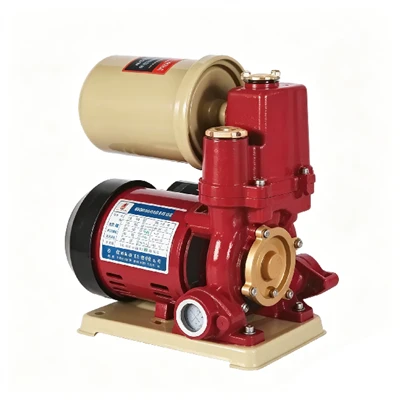
Okay, that’s the lowdown on reducing jet pump vibration. Whether you’re a small business owner, a farmer, or a building manager, these steps will save you money on repairs, extend your pump’s life, and make your space way quieter and more comfortable. If you have questions, or you’re in the market for a new jet pump or replacement parts, hit up our team to connect for procurement discussions. We’re here to help, not just sell.
Landscape Pump References
- Pump Handbook, 4th Edition, McGraw-Hill
- Hydraulic Institute, “Guidelines for Rotating Equipment Vibration Control”
- National Pump Association, “Installation and Maintenance Best Practices for Centrifugal Jet Pumps”
- U.S. Environmental Protection Agency, “Irrigation Pump Efficiency and Vibration Reduction Guide”
- Shigley’s Mechanical Engineering Design, 11th Edition, McGraw-Hill
Longbiao Pump Industry Co., Ltd.
Address: Unit 101, Building 11, Pan’ao Entrepreneurship Park, Daxi Town, Wenling City, Taizhou City, Zhejiang Province, P.R. China
E-mail: 1653746797@qq.com
WebSite: https://www.cnlongbiao.com/
