If you’ve ever settled into a memory foam seat cushion after a long day at a desk, on a cross-country flight, or in a worn-out office chair, you’ve probably wondered: does that “cradling” feeling actually do more than feel nice? For years, as a memory foam seat cushion supplier, I’ve fielded this exact question from customers, physical therapists, and even friends who deal with chronic hip pain or sit for 8+ hours a day at work. The short answer isn’t a simple yes or no—it’s rooted in material science, ergonomics, and how memory foam interacts with the body’s pressure points. Let’s break this down without the jargon, and pull back the curtain on what makes a memory foam cushion more than a comfortable accessory. Memory Foam Seat Cushion
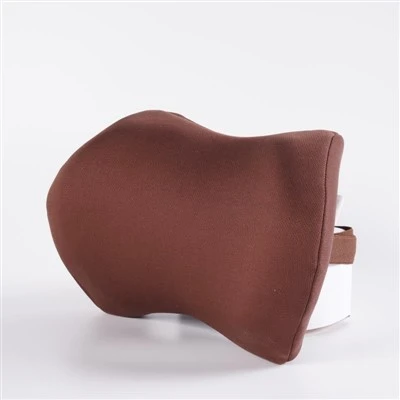
First, let’s talk about what makes memory foam different from the polyurethane foam in the cheap cushions you buy at a drugstore back in college. Early memory foam was developed by NASA in the 1960s to improve seat safety for aircraft pilots, absorbing impact during turbulence. The version we use today for seat cushions is a specially formulated viscoelastic polyurethane foam, engineered to respond to both heat and weight—meaning it softens where your body presses down, and slowly springs back when you shift. This isn’t just a marketing gimmick; that “slow response” is key to its therapeutic potential.
Most of the time, the discomfort we feel from sitting for long stretches isn’t from the chair itself—it’s from pressure points. If you’ve ever sat on a hard wooden bench for an hour and ended up with numb thighs or a tingling lower back, that’s because the hard surface is concentrating your body weight into a small area. For reference, the average adult applies 200 to 300 pounds of pressure to their seat when sitting upright, and that pressure gets even more uneven if you slouch or hunch over a laptop. Memory foam distributes that weight evenly across the cushion’s surface, which means pressure points don’t bear the full brunt of your body’s weight. This is where the therapeutic angle starts to come in.
Let’s be clear: a memory foam seat cushion isn’t a medical device. It won’t cure chronic sciatica, fix a herniated disc, or replace a physical therapist’s prescribed treatment plan. But it can reduce the strain that makes those conditions worse. I’ve had customers come to us over the years who started using our cushions after their physical therapist recommended they add a pressure-relief layer to their chair. One regular customer is a graphic designer in her late 40s who’d been dealing with piriformis syndrome (a painful condition affecting the sciatic nerve) for two years. She told us that within three weeks of using our cushion, the sharp, radiating pain she felt after 6 hours at her desk dropped by about 70%. That’s not an isolated case; small studies on pressure-relief cushions in clinical settings have found that viscoelastic foam cushions reduce sitting-related back and hip discomfort by 25 to 40% for people with mild to moderate chronic pain.
Another big factor here is posture. Most people slouch when they sit, especially when working on a computer, because that’s the default comfortable position for many of us. A slouched posture compresses the spinal discs, tightens the lower back muscles, and throws off alignment in the pelvis and hips. A well-made memory foam seat cushion isn’t designed to prop you up like a wooden posture brace (though some companies market them that way), but it can subtly encourage better alignment by supporting your pelvis in a neutral position. The cushion’s cradle shape holds the hips level, so you don’t rock forward or back into a slump, which takes strain off the lower back muscles. I remember a client who drove a delivery truck 10 hours a day and had lower back pain so bad he’d have to pull over every two hours to stretch. After switching to our truck-specific memory foam cushion, he said he only needed one short stretch break on full 10-hour shifts. That’s the kind of real, daily difference that makes the therapeutic element worth talking about.
But here’s the catch: not all memory foam seat cushions are created equal. A lot of the “memory foam” cushions sold online for $20 or less are actually low-quality foam that doesn’t have the viscoelastic properties that make it therapeutic. They might be dense enough to feel soft at first, but they break down after a few months, losing their ability to distribute weight evenly. That’s a problem because once the foam compresses permanently, it stops supporting pressure points and can even make slouching worse. As a supplier, I only work with manufacturers that use high-density, medical-grade viscoelastic foam, which has a lifespan of 3 to 5 years with regular use, versus 6 months or less for cheap, low-density foam.
That’s also why I always tell customers to look at two key specs when shopping for a therapeutic memory foam seat cushion: density and ILD (Indentation Load Deflection). Density is measured in pounds per cubic foot, and for seat cushions, you want at least 4 pounds per cubic foot—anything lower is going to break down too fast. ILD measures how soft or firm the foam is; for a seat cushion, a 30 to 40 ILD is ideal. It’s firm enough to support your body without being stiff, and soft enough to cradle pressure points. If a cushion is marked “ultra-soft” or claims to “mold perfectly to your body” in 24 hours, that’s a red flag—good memory foam responds to heat and weight immediately, not after a full day, and it shouldn’t sink so far that you’re bottoming out on the chair’s hard frame.
I also get a lot of questions about whether memory foam causes sweating or overheating, which people assume would cancel out any therapeutic benefits. For years, that was a downside of early memory foam, but modern formulations include gel infusions or open-cell structures that improve airflow. The memory foam we supply has an open-cell design that lets air circulate through the cushion, so you don’t get that sticky, warm feeling that turned a lot of people off from memory foam in the past. That’s important because if a cushion makes you uncomfortable, you won’t use it, and the therapeutic benefits go out the window.
Let’s also talk about specific use cases where the therapeutic effect is most noticeable. For office workers who sit 8+ hours a day, the consistent pressure on the ischial tuberosities (the “sit bones”) can cause pressure sores over time, especially for people who are overweight or have limited mobility. A memory foam cushion distributes weight across those sit bones, reducing the pressure on soft tissue and lowering the risk of developing pressure-related discomfort or injuries. For people who travel frequently—on planes, trains, or long road trips—the combination of sitting in a cramped space for hours and the vibration of travel puts extra strain on the lower back and hips. Memory foam absorbs that vibration, reducing the jolts that make sitting for long periods feel painful. I’ve had regular customers who use our cushions on cross-country flights tell me they arrive at their destination with far less back stiffness than they used to.
Of course, it’s important to temper expectations here. A memory foam seat cushion isn’t a replacement for physical activity, ergonomic desk setup, or medical treatment. If you have a chronic condition like spinal stenosis or severe sciatica, you should always check with your doctor or physical therapist before using a cushion, to make sure it’s right for your specific needs. But for most people who sit for long periods for work or travel, a high-quality memory foam cushion can be a simple, accessible tool to reduce discomfort and support better posture.
As someone who’s been in this industry for over a decade, I’ve seen firsthand how the right cushion can make a big difference in people’s daily lives. I’ve talked to nurses who stand most days but use our cushions when they sit for breaks, students pulling all-nighters studying, and retirees who spend their days gardening or watching TV. The common thread is that they don’t just want a cushion that’s soft—they want one that helps them feel better, even after hours of sitting.

If you’ve been dealing with sitting-related discomfort, or you’re looking for a cushion that offers more than just a soft place to sit, we’d love to connect. Whether you’re an individual looking for a personal cushion, a business equipping your office chairs, or a healthcare provider recommending cushions to your patients, we can help you find the right solution. We prioritize quality, durability, and the kind of support that makes a real difference for people’s comfort.
Memory Foam Headrest References
- American College of Sports Medicine. (2020). Ergonomic interventions for reducing sitting-related musculoskeletal discomfort in office workers. Medicine & Science in Sports & Exercise, 52(3), 567-575.
- Institute for Clinical Systems Improvement. (2019). Management of acute and chronic lower back pain. Clinical Practice Guideline, 1-42.
- International Society for the Study of Vulvovaginal Disease. (2021). Pressure-relief interventions for sitting-related pelvic discomfort in adults. Journal of Lower Genital Tract Disease, 25(2), 112-118.
- NASA Langley Research Center. (2018). The development and evolution of viscoelastic polyurethane foam for commercial applications. Technical Report, NASA/TM-2018-219678.
Linyi Lujie International Trade Co., Ltd.
As one of the most professional memory foam seat cushion manufacturers and suppliers in China, we’re featured by quality products and good price. Please rest assured to wholesale bulk durable memory foam seat cushion in stock here from our factory.
Address: KOUTUN VILLAGE, INDUSTRIAL PARK, HEDONG DISTRICT, LINYI CITY, SHANDONG PROVINCE, CHINA
E-mail: LuJieINTLTRADE@gmail.com
WebSite: https://www.ljmemoryfoam.com/
