Hey everyone, it’s Jake here from the Spade Drill Supply team, and today we’re diving into something that surprises a lot of DIYers and even some small fabrication shop folks – how dead important your drill press alignment is when you’re using a spade drill. I’ve been working with spade drills for over a decade now, both on the sales side and helping folks troubleshoot their projects, and let me tell you, I’ve seen way too many people cut corners on alignment and end up with wonky holes, broken spade bits, or even worse, ruined workpieces. If you’re new to spade drills or just looking to get cleaner results, stick around – this stuff’s game-changing. Spade Drill
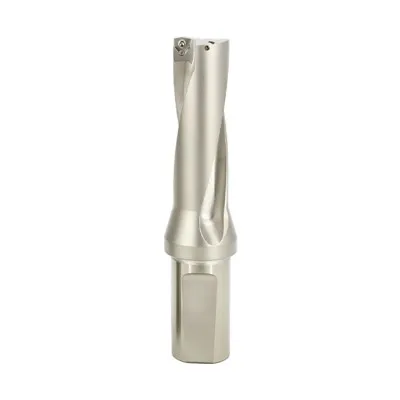
First, let’s keep it real – what even is spade drill vs. a twist drill, for anyone who’s new? Twist drills are those long, spiral bits you probably grab for general drilling, right? Spade drills are flat, thin, two-edged bits that look like… well, a spade. They’re cheap, easy to replace, and perfect for drilling big holes fast – like 1” up to 3” or even wider, which is why we sell so many to carpenters, metal fabricators, and even cabinet makers. But here’s the thing: spade drills don’t have the self-centering point that twist drills do. That’s where the drill press’s alignment comes in, more than any other bit I can think of. Let’s break down the three main parts of drill press alignment that matter here – quill alignment, table squareness, and spindle runout – and how each messes with your spade drill if it’s off.
Starting with quill alignment. The quill is that long, cylindrical rod that the chuck slides up and down on when you pull the drill press lever, right? If the quill isn’t aligned straight with the spindle (the part that spins the bit), when you push down to drill, the quill tilts a little – like, even a tiny 0.005” tilt might not sound like much, but with a spade drill, that’s a huge problem. Spade drills cut by their two side edges, not a central point (wait, some do have a little pilot point, but it’s super tiny compared to a twist drill’s), so if the quill’s off, your spade bit is going to drift. I had a guy hit me up last month – he was drilling holes for fence posts, using a 2” spade drill, and every hole was like 2.2” on one side and 1.8” on the other. He thought his bit was bad, or that the wood was warped, until we went through his drill press together – turns out his quill was bent just enough when he dropped it moving his shop. Fixed that alignment, and his holes were spot on after that. No more wasted wood, no more rework. And for metal folks? That drift isn’t just wonky – it can make your hole so off-center you have to ream it or start over, which is a total time suck.
Next up, table squareness. The drill press table has to be perfectly 90 degrees to the spindle, right? If it’s tilted even a little, say 1 degree off, what happens when you drill? Your spade bit doesn’t enter the workpiece straight. Instead, one edge of the spade digs in way harder than the other. That leads to two big issues: first, a lopsided hole that’s not only off but will have burrs on one side way worse than the other, and second, premature wear on your spade drill. Spade drills are tough, but if one edge is doing all the heavy lifting every time, that edge will dull in half the time, or even chip. I’ve seen people go through 3 spade bits in a week because their table was tilted – they just thought the bits were low quality, but nah, it was their alignment. For anyone drilling through structural steel or hardwood for trim work, a tilted hole also makes whatever you’re bolting or nailing in look terrible. No one wants a fence post that’s crooked because the holes were drilled wrong.
Then there’s spindle runout. Runout is when the spindle spins in a wobble, like if the bearings are worn out or the chuck isn’t tightened right (even a dirty chuck will cause runout, fyi). Spindle runout is different from quill tilt, but it’s just as bad for spade drills. Let’s say your spindle has 0.010” of runout – that means the tip of your spade bit is moving that much left and right every full spin. When you start drilling, that wobble makes the bit bounce around instead of cutting clean. What’s the result? A hole that’s not only big enough to wiggle the bolt or dowel but has that rough, torn edge around the inside, especially in wood. I’ve had a woodworker tell me he was using our 2.5” carbide-tipped spade drills and still getting tear-out on oak – turns out his chuck had metal shavings in it, so when he tightened the bit, it was off-kilter. Cleaned the chuck, no more tear-out, and his bits lasted twice as long. That’s a win-win, right?
Wait, let’s make this practical – how do you actually check this stuff, no fancy tools required? You don’t need a $50 alignment gauge, though if you’re doing this every day, it’s worth it. For home users or small shops, grab a 6” ruler, a spring scale (or even a small wrench if you don’t have one), and a piece of cardboard. First, check quill alignment: loosen the chuck, stick a straight metal bar (like a long drill bit, or that ruler) in the chuck, tighten it up, then move the quill up and down. If the bar wobbles side to side as you move the quill, it’s off. Easy fix – most drill presses have two adjustment screws on the quill mount, just tweak them until the bar stays straight.
For table squareness: take that same ruler, stick it in the chuck, lower it until it touches the table, draw a line across the table where the ruler touches, then spin the ruler 180 degrees and draw another line. If the two lines don’t line up perfectly, your table’s tilted. Again, most tables have adjustment bolts under them – loosen the ones on the low side, tighten the high side, test again until the lines match. For spindle runout: stick a spade drill in the chuck, turn the spindle by hand (unplug the drill press first, duh), and watch the tip. If it moves left or right, that’s runout. Most of the time, it’s a dirty chuck – just take the bit out, clean the chuck jaws with a rag, maybe a little wire brush if there’s gunk, and tighten the bit evenly (don’t over-tighten, that breaks chucks, trust me). If it’s still wobbly, you might need new bearings, but that’s a less common fix for most people.
Now, let’s tie this back to why spade drills specifically are so sensitive to alignment, more than twist drills. Twist drills have that central point that acts like a anchor – if they start to drift, the point pulls them back straight. Spade drills? They don’t have that. Even the tiny pilot point on most spade drills is barely there – it’s mostly just two flat edges cutting. So any tiny misalignment on the drill press gets amplified with spade drills, whereas twist drills can power through a little tilt or wobble. That’s why all the stuff I just talked about matters way more when you’re using spade drills. And since we sell spade drills to people who are using them for everything from DIY projects to commercial fabrication, we see this mistake all the time – customers thinking their bit is the issue, when really it’s their drill press being out of whack.
Wait, let’s talk about a real example from last month. A customer who builds custom decks hit us up, super frustrated. He was drilling 2” holes for deck posts, and every 5th or 6th hole, the spade drill would “walk” so bad he had to abort, re-mark the spot, and start over. He said he was using our heavy-duty high-speed steel spade drills, which are way more durable than the cheap ones from the big box stores, so he knew the bit wasn’t the problem. We hopped on a quick video call, had him set up his drill press, and pointed out his quill was tilted – just a hair, enough to make the spade bit drift. He tweaked the adjustment screws, and he ended up finishing his deck a full day early, and saved like 8 spade bits in the process. That’s the kind of win we love to hear about – not just selling a good drill, but helping people use it right.
Another thing: alignment matters for safety too. If your drill press is out of whack and your spade drill is walking, there’s a real chance the bit can grab and kick back. I’ve seen a shop hand’s wrist get nicked because a spade drill caught on a misaligned hole – not serious, but enough to mess up a week of work. Correct alignment eliminates that risk almost entirely, because the bit stays straight, so it doesn’t catch the workpiece. That’s a big one I don’t think enough people talk about – safety isn’t just wearing goggles, it’s making sure your tools are set up right.
Let’s get into some quick do’s and don’ts, so you don’t have to re-read the whole post. Do check alignment before every big project – especially if you’ve moved your drill press, dropped it, or had it sitting unused for a while. Don’t skip checking the chuck – dirty jaws are the #1 cause of runout, and it takes 2 minutes to clean. Do use a sharp spade drill – dull bits make you push harder, which makes alignment worse. Don’t over-tighten the chuck – that’s a surefire way to ruin the chuck or bend a spade drill shank, which messes with alignment right there.
Wait, what if you can’t fix your drill press alignment? Like, if it’s an older model that’s just too worn out? Well, there are workarounds. For a slight quill tilt, you can use a drill guide – those little metal jigs that hold the bit straight. I don’t love relying on them all the time, but for those super tricky projects where you need a perfectly straight hole, they help. And if your table is off, you can use a square to line up the workpiece with the spindle before clamping it down – that adds a little buffer, though it’s not as good as fixing the table itself. But the best move is still getting your drill press aligned right – it takes 10 minutes, and pays off in cleaner holes, longer bit life, and less frustration.
At the end of the day, as a spade drill supplier, our whole job isn’t just to sell you a high-quality bit – it’s to make sure you use it correctly, right? Because a good spade drill set up on a misaligned drill press is just a waste of money. We’ve had customers switch from cheap off-brand spade drills to ours and still see improvements just by aligning their drill press – that’s how important this is. If you’re tired of wonky holes, broken bits, or wasted time reworking projects, alignment is the first thing you should check, before you even think about buying a new drill.
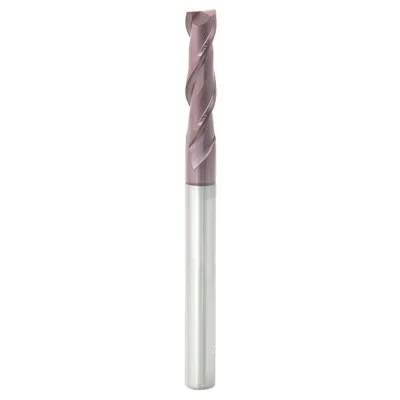
Now, if you’re in the market for spade drills – whether you’re a DIYer knocking out a backyard project, a small shop doing cabinet work, or a big fabrication company needing heavy-duty bits – we’ve got you covered. We stock everything from standard high-speed steel spade drills to carbide-tipped ones for metal and tough hardwood, and our team’s always here to help you figure out exactly what you need, plus answer any questions about alignment or drilling tricks. Just reach out whenever you’re ready to chat through your project needs.
MGR Small Boring Tool Reference
- Machine Tool Practices, 10th Edition, Kidd, J., Pearson, 2012, pages 189-194 (covers drill press alignment specifications for wood and metalworking)
- Cutting Tools: Principles and Applications, 2nd Edition, Astakhov, V.P., CRC Press, 2006, pages 312-315 (discusses edge performance of spade drills relative to tool alignment)
- Woodworking Equipment Maintenance Handbook, US Department of Agriculture, Forest Service, 2001, pages 45-47 (practical steps for drill press alignment for woodworking applications)
Small Craftsman (Shandong) Machine & Tools Co., Ltd.
Small Craftsman (Shandong) Machine & Tools Co., Ltd. is one of the most experienced spade drill manufacturers and suppliers in China, also supports customized service with low price. Please feel free to buy bulk high quality spade drill in stock here from our factory. Contact us for pricelist.
Address: No.9 Quanxin Rd., Sishui Economic Developing Zone, Jining, Shandong, China.
E-mail: 6196@ocutchina.com
WebSite: https://www.ocutooling.com/
