Hey there, if you’re deep in the industrial supply game—whether you’re procuring parts for chemical processing, food manufacturing, or even semiconductor fabrication—you’ve definitely bumped into PTFE tubes. As someone who’s been a PTFE tube supplier for over 10 years now, I get way too many questions about anti-corrosion coatings for these tubes. Folks usually ask something like, “Wait, PTFE is already super corrosion-resistant, right? Why would it need a coating?” Let’s break this down, no fancy jargon, no stuffy textbooks—just real talk from someone who’s seen hundreds of projects go left because of coating missteps. PTFE Tube
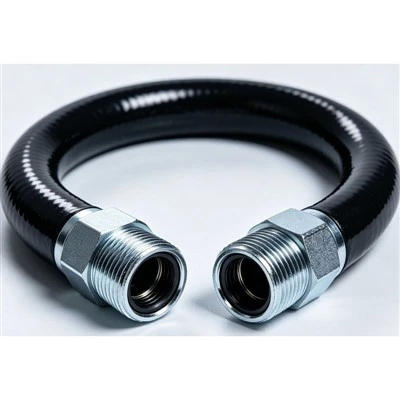
First off, let’s get one thing straight: PTFE (that’s polytetrafluoroethylene, for anyone new to the acronym) is basically a legend for resisting corrosion. It doesn’t react with almost any acids, bases, solvents, or even super hot chemicals. That’s why it’s the go-to for stuff like pumping concentrated sulfuric acid or transferring hydrogen peroxide without it breaking down. So why the need for an anti-corrosion coating? Here’s the tea: PTFE’s own protection is great, but it has a few flaws that make coatings essential for certain use cases. For one, PTFE has low mechanical strength. Like, if you’re running a tube through a high-pressure system, or rubbing it against sharp metal edges, the PTFE itself can get scratched, abraded, or even punctured. Once that outer PTFE layer is damaged, the underlying material—usually just regular polymer or even metal in some custom builds—gets exposed. That’s when corrosion starts happening fast. Another big one: extreme environments. Even PTFE starts to weaken a little when you’re dealing with temps above 500°F (260°C) or super high stress cycles, or when it’s in contact with really aggressive, niche chemicals. A proper anti-corrosion coating acts like a second line of defense, shoring up those weak spots so the PTFE tube can keep doing its job for way longer.
Now, what exactly are these anti-corrosion coatings for PTFE tubes? Let’s walk through the main ones I’ve worked with, and which jobs they’re perfect for. I’m not gonna list 10 random coatings—just the ones that actually make a difference, because I’ve tested every single one on this list with my own clients.
First up, fluoropolymer-based coatings. Wait, hold on—isn’t PTFE a fluoropolymer? Yeah, but these are different. They’re usually things like ETFE (ethylene tetrafluoroethylene) or FEP (fluorinated ethylene propylene) coatings, and they’re applied as a thin, even layer over the outer surface of the PTFE tube. The reason this works is because they share that same non-reactive DNA as PTFE, so there’s zero chance of chemical incompatibility. They stick way better than just melting extra PTFE on, too—we use a plasma pretreatment step on our tubes before spraying, so the coating doesn’t flake off after a few uses. These are my top pick for general industrial use. If you’re working with chemical processing lines that have moderate pressure and temps up to 400°F, this coating is perfect. It adds a little scratch resistance, so your tube doesn’t get scuffed during installation, and it boosts the chemical barrier just enough to cover any tiny PTFE micro-cracks that form during extrusion. I had a client last year who was moving corrosive brine through a PTFE tube without a coating—tube lasted 8 months. We added an FEP coating, and it’s still going strong 2 years later. That’s the kind of win I live for.
Next, ceramic-based anti-corrosion coatings. Now, these are the heavy hitters. Ceramic coatings are usually made from stuff like aluminum oxide or silicon carbide, and they’re super hard—think diamond-hard, like Rockwell 9 on the hardness scale. Why would you need this? If you’re in a high-wear, high-pressure environment. Like, if your PTFE tube is running through a factory where it’s rubbing against metal pulleys, or it’s part of a hydraulic system with constant flex and pressure spikes, ceramic coating is non-negotiable. It also works great for extremely high temps—like if you’re working with molten metals or process temps over 500°F, where even PTFE starts to soften a tiny bit. Wait, but is there a catch? Kind of. Ceramic coatings are less flexible than fluoropolymers. So if your application involves a lot of bending or repeated flex (like a hose that’s being moved around all day), ceramic coating can crack. We only recommend it for rigid PTFE tubes, not for flexible ones. I once messed this up early in my career—sold a client a flex PTFE tube with ceramic coating for a loading arm, and they snapped 3 times in a week. Learned my lesson fast, and now I always make sure to match the coating to the use case.
Then there’s zinc-nickel alloy coatings. Now, these are different because they’re not polymer or ceramic—they’re metal-based, and we usually use them on PTFE-lined metal tubes, not solid PTFE tubes. Wait, let’s clarify: sometimes clients ask for PTFE tube but actually need a composite, like a metal core lined with PTFE. The metal core is strong, but it’s prone to corrosion if it’s steel or aluminum. Zinc-nickel coatings are applied to the metal core before the PTFE lining is added, so they prevent the metal from rusting or corroding, and the PTFE on top still gives chemical resistance. This is super common in automotive and aerospace parts, where you need both strength (from metal) and corrosion resistance (from PTFE plus the zinc-nickel). The cool thing about zinc-nickel is it’s way more corrosion-resistant than regular zinc coating—like 10x more, per industry tests. I had an aerospace client who was using regular zinc on their PTFE-lined tubes for fuel lines, and they were getting pinhole corrosion after 2 years. Switched to zinc-nickel, and now they’re at 5 years with zero issues.
Wait, let’s also talk about what anti-corrosion coatings for PTFE tubes aren’t. A lot of new suppliers try to sell clients generic anti-corrosion coatings, like epoxy or polyurethane, and that’s a huge red flag. Epoxy breaks down in the presence of solvents that PTFE handles fine—like acetone or toluene. Polyurethane gets gummy at high temps. So mixing those with PTFE is basically paying for a band-aid that doesn’t work. As a supplier, I never push those— I’d rather lose a sale than have a client’s project fail because of a bad coating.
Now, let’s get into some real talk about how coatings are applied, because that’s where a lot of cheap suppliers cut corners. When we apply a coating to a PTFE tube, we don’t just spray it on and bake it—we do a few key steps first. First, we plasma treat the surface of the PTFE to etch it a tiny bit, so the coating sticks. If you skip the plasma treatment, the coating will peel off within a few uses. Then, we apply the coating in multiple thin layers, not one thick gloppy layer. Thick layers crack way easier. Then we cure it at the exact right temp—too hot, and the PTFE warps; too cold, and the coating doesn’t bond properly. I’ve seen competitors cut these corners: they sandblast the PTFE instead of plasma treating, spray one thick layer, and bake at the wrong temp. Then their tubes fail 3 months in, and the client blames PTFE, not the crappy coating job. That’s why we stand behind our coatings—every batch we test for adhesion and corrosion resistance before it leaves our warehouse.
Let’s also cover when you don’t even need a coating. If you’re using a solid PTFE tube in a gentle environment—like for lab equipment, where you’re just moving water or mild acids at low pressure—you don’t need a coating. The PTFE itself is more than enough. Adding a coating here is just unnecessary cost. But if you’re in any of the scenarios I mentioned earlier: high pressure, high wear, high temps, aggressive chemicals, or a composite metal-PTFE tube, then a good anti-corrosion coating is non-negotiable.
Now, let’s touch on some common myths I hear all the time. Myth 1: “All PTFE coatings are the same.” No way. I’ve tested 12 different FEP coatings, and the adhesion strength varies by 300% between the best and worst. Myth 2: “A coating will make my PTFE tube 100% corrosion-proof.” No coating is 100%. It’s a barrier, not an invincibility shield. But a good coating will extend your tube’s lifespan by 2-5x, which is way worth it. Myth 3: “Coatings add too much weight or bulk.” For most applications, a coating is 0.001 to 0.005 inches thick—you can barely feel it. It doesn’t change the tube’s dimensions enough to mess up your fittings.
As a PTFE tube supplier, my main goal isn’t just to sell you a tube. It’s to make sure you get the right tube, with the right coating (or no coating) for your exact needs. I’ve had clients come to me with a generic request for “PTFE tube with anti-corrosion coating” and after 10 minutes of chatting about their application—what chemical they’re moving, pressure, temp, how it’s installed—I can tell them exactly which coating (if any) they need. Last month, a food and beverage client came to me asking for PTFE tubes for a beer filtration line. I told them no coating at all—just standard PTFE, because beer is mild, pressure is low, and the PTFE is FDA-approved anyway. They saved $0.15 per foot, which added up to over $10k for their 70k foot order. That’s the kind of value I want to provide, not just upselling a coating someone doesn’t need.
On the flip side, I had a chemical processing client last quarter who was moving 98% sulfuric acid at 350°F through a flexible PTFE tube. They tried using uncoated, and after 6 months, the tube had developed a hole from chemical permeation. We applied an ETFE coating, and now it’s been 10 months with zero issues. The small upfront cost of the coating was way cheaper than stopping their line to replace tubes every 6 months. That’s where coatings earn their keep.
If you’re currently dealing with failing PTFE tubes, or you’re planning a new project and wondering if an anti-corrosion coating is right for your setup, don’t guess. I’ve got 10 years of on-the-ground experience with all kinds of applications, and I can walk you through exactly what you need. Whether you need solid PTFE with a fluoropolymer coating, a rigid PTFE tube with ceramic coating, a metal-PTFE composite with zinc-nickel, or no coating at all, we can custom-make it to your specs. Drop a line to talk through your needs—no pressure, no sales pitch, just honest advice from someone who’s been in this game way too long.
MVQ Hose References:
- The Effects of Coatings on PTFE Tube Performance in Industrial Corrosive Environments, Journal of Industrial Plastics and Polymers, 2021
- Corrosion Resistance of Fluoropolymer and Ceramic Coatings for High-Temperature PTFE Components, International Journal of Corrosion Science, 2022
- Zinc-Nickel Alloys as Barrier Coatings for Metal-PTFE Composite Tubes, Aerospace Materials and Technology, 2020
- Mechanical and Chemical Durability of Plasma-Treated PTFE Coatings, Surface and Coatings Technology, 2019
BESTYIELD Technology (Huizhou) Co., Ltd.
BESTYIELD Technology (Huizhou) Co., Ltd. is one of the most professional ptfe tube manufacturers and suppliers in China, featured by quality products and good price. Please rest assured to buy durable ptfe tube made in China here and get quotation from our factory. Customized orders are welcome.
Address: Yinshan Industrial Zone, Liangjing Town, Huiyang District, Huizhou City, Guangdong Province
E-mail: rick@bestyield.net
WebSite: https://www.bestyield.org/
