Hey everyone, let’s cut to the chase—if you work in textile processing (or you’re the new hire stuck working the singeing machine on your first shift), you know singeing is make-or-break for fabric quality. Singing off loose fibers gives textiles that smooth, crisp finish that customers actually pay for. But here’s the thing: this machine runs on open flame, high heat, and precise, tight moving parts—mess up even a tiny step, and you’re looking at burnt fabric, damaged gear, or even worse, a safety incident. As someone who’s been supplying singeing machines for over a decade, I’ve seen it all: operators skipping pre-use checks because they’re crunched for deadlines, new guys leaning too close to the flame to spot burns, and old hands cutting corners on lockout-tagout because “they’ve run this machine a hundred times.” That’s why I’m breaking down exactly how to operate these things safely—no fancy jargon, just real stuff I’ve learned from working with actual operators, not just textbook manuals. Singeing Machine
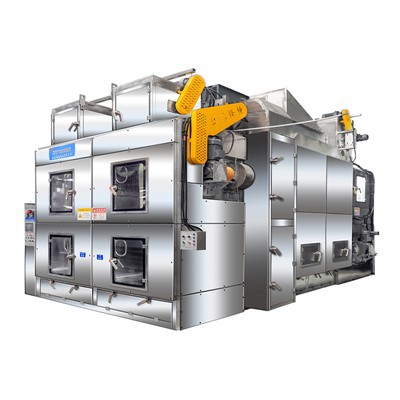
First off, let’s talk pre-operation checks—this isn’t the “check the power light” quick scan your supervisor might yell at you for. When you fire up the machine, you’ve got 10 minutes of downtime before you even think about feeding fabric, and every second of that needs to be intentional. Start with the flame system: singeing machines run on natural gas or propane usually, right? So you need to test the gas lines for leaks first—don’t just sniff; use a soapy water solution on all connectors. If you see bubbles, that’s a leak, and you turn the gas off immediately. I’ve had clients tell me they skipped this because “it’s fine” and ended up with a small explosion when the machine was idle over lunch. Next, check the burner alignment. If the flame is wobbly or uneven, it’ll burn thick and thin spots on the fabric—you’ll waste hours reworking it, plus if the flame hits the machine frame instead of the fabric, that’s how overheating damage starts. Then there’s the moving parts: the feed rollers, the take-up rollers, the guides that hold the fabric straight. They shouldn’t be stiff, they shouldn’t be loose enough to wiggle when you tap them. Also, the ventilation hood above the burners—this thing sucks up all the lint and fumes, and if it’s clogged, lint builds up (hello, fire hazard!) and you’re breathing in way too much fiber dust. Pro tip: grab a flashlight and check under the hood every shift, not just once a week. One time, a client’s hood was half blocked with lint, and a spark jumped to that buildup while they were running—fortunately, someone caught it before it spread, but it shut their whole plant down for two days. Not worth skipping a quick check.
Now, when you’re actually feeding fabric into the machine—this is where most new mistakes happen. First, make sure the fabric is dry. Wet fabric will sputter when it hits the flame, and that sputter can send embers flying toward you or other parts of the machine. Also, never feed fabric that’s not threaded properly. I’ve seen operators try to yank fabric through by hand when it gets stuck—huge no-no. The rollers are designed to pull fabric at a steady speed, and if your hand gets caught, that’s a major injury. Wait for the machine to stop, cut the fabric, re-thread it the right way, then restart. Another thing: the speed of the machine. If you run it too fast, the singeing is inconsistent—you’ll have fuzz left on the fabric that gets rejected. Too slow, and you’ll burn holes in it. This is where you test with a scrap piece first before running good material. I always tell my clients to have a stack of fabric scraps by the machine for exactly this reason. Don’t just adjust the speed blind—run a foot of scrap through, check the singeing under good light (not the dim plant lighting), and tweak until it’s perfect. Also, never feed more than one layer of fabric. Singeing machines are made for single layers, and doubling up will mean the inner layer doesn’t singe, plus it can jam the rollers. Jams are the worst because everyone panics and tries to pull fabric out while the machine is still running. If it jams, hit the emergency stop immediately, wait for the rollers to stop completely, then clear the jam. And while we’re talking about emergencies—where’s your emergency stop button? Is it easy to reach? I’ve installed machines where the E-stop is hidden behind a control panel, and when something goes wrong, you can’t get to it fast enough. Make sure everyone who operates the machine knows exactly where that button is, and never block it with fabric or tools.
Next up, the big safety stuff: personal protective equipment (PPE). This isn’t a suggestion—it’s non-negotiable. I see too many guys showing up in work jeans with holes, t-shirts, and no gloves. Singeing gets hot, molten fiber can splash, and fabric dust is flammable. So first, closed-toe shoes—steel-toe if you can get them, but at least not sneakers. Long pants, even if it’s 100 degrees in the plant—shorts or rolled-up pants mean exposed legs that can get burned. Flame-resistant gloves, not the regular cotton ones from the hardware store. Cotton gloves will catch fire if they touch the burner. I recommend leather or aramid gloves for singeing operations. Safety goggles too—embers and fiber dust fly everywhere, and a spark in your eye is not a “I’ll wash it out” situation. Oh, and don’t wear loose jewelry—necklaces, bracelets, baggy shirt sleeves. I’ve had an operator’s necklace get caught in a feed roller, and it pulled him in before he could hit the E-stop. That’s a tragedy that could’ve been avoided if he’d taken his necklace off. Even a loose watch band is a risk. Just leave all jewelry in your locker, I beg you.
Then there’s routine maintenance—you can’t just run the machine 24/7 and expect it to be safe. This is where a lot of owners cut corners to save money, but it’s false economy. Every day, after your shift, you need to clean the burners and the ventilation hood. Lint builds up on the burner ports, and if it’s not cleaned, the flame will be uneven and could backfire. Backfiring is when the flame goes down the gas line instead of staying at the burner—super dangerous, and it only happens when the burners are dirty or misaligned. Weekly, you should inspect the gas lines for wear and tear, check the pressure gauge (if it’s dropping suddenly, that’s a leak), and lubricate the rollers—over-lubricating is bad, but under-lubricating means rollers seize up and jam. Monthly, you should check the electrical connections on the control panel—vibration from the machine can loosen wires, and a short circuit could start a fire. And at least once a year, have a technician (preferably one trained on your specific machine model) come out and do a full safety inspection. I offer this as part of my setup service, because I’ve seen so many machines go bad from cheap maintenance. Remember: a well-maintained machine is a safe machine. I once had a client who skipped yearly maintenance for two years, and their burner got so clogged that the flame ignited the lint buildup under the hood. It cost them $50k in repairs, plus 3 days of downtime—way more than the cost of a technician to come in once a year.
Another common mistake I see: not training new operators properly. A lot of plants just throw new hires at a singeing machine with a 10-minute demo, and say “figure it out.” That’s how accidents happen. When someone is new, they should work with a trained operator for at least 2 weeks, shadowing every step, before they’re allowed to run the machine alone. Training shouldn’t just be “how to thread fabric”—it should be what to do if the gas leak alarm goes off (turn off the gas, evacuate the area, call maintenance), what to do if a fabric catches fire (use the fire extinguisher, not water—water will spread grease-based fires, which singeing sometimes deals with), and why step-by-step checks matter. I always give my clients a free training guide when I sell them a machine, because I’ve heard too many horror stories of untrained operators. Last year, a plant called me saying their new operator had burnt a roll of premium cotton fabric (worth $20k) because they didn’t know they had to adjust the flame height for different fabric weights. They’d skipped training, and now they’re out a ton of money. Don’t be that plant.
Wait, let’s talk about fabric-specific adjustments too—this is something that a lot of operators don’t get right, and it ties straight to safety. Different fabrics need different settings, and if you use the wrong ones, you can end up with overheating or fires. For example, synthetic fabrics like polyester melt at lower temperatures—so you need a lower flame height and faster speed, otherwise the fabric will melt onto the burner and catch fire. Natural fabrics like cotton or linen can handle higher flames, but you still can’t run them too slow. Blends? You have to meet in the middle, and test with scraps first. Also, if you’re working with fabric that has any residue from sizing or chemicals (like in pre-treatment), that residue can ignite easier—so you need to make sure the pre-treatment is done properly before singeing. If sizing is left on the fabric, it can splatter when it hits the flame, sending hot droplets flying.
And what about when you’re running the machine and something feels off? Don’t ignore it. If the flame looks different than usual, if a roller is making a weird noise, if you smell gas or something burning—stop. Hit the E-stop. Don’t just keep going because you need to meet a deadline. I get that deadlines are stressful, but one mistake can set you back way more than a delayed shipment. I’ve had clients call me at 2 a.m. panicking because their operator kept running the machine even though it was smoking, and it ended up burning a whole room of fabric. It’s not worth it.
Now, let’s wrap this up with a quick recap of the non-negotiables, just to make sure it’s all clear: pre-operation checks (gas leaks, burner alignment, ventilation), use PPE (closed shoes, long pants, flame-resistant gloves, goggles), feed fabric properly (dry, single layer, no yanking), hit E-stop on anything weird, maintain the machine regularly, and train everyone before they run it alone.
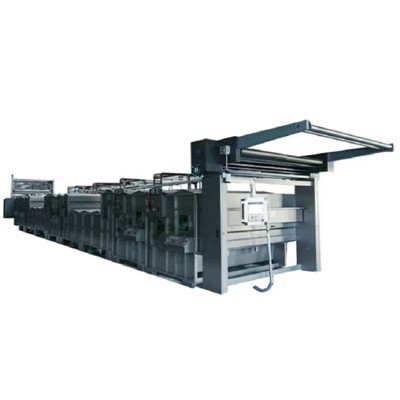
If you’re running a textile plant and your singeing machine feels like a liability instead of an asset, I can help. I supply high-quality, safety-tested singeing machines, plus I offer on-site training, maintenance packages, and 24/7 support for when you run into issues. I’ve worked with small local mills and big international brands, and I tailor my setup to your specific needs—no one-size-fits-all garbage. If you’re looking to upgrade your singeing machine or just want to make sure your current setup is as safe as it can be, reach out to me to discuss your requirements. I’m here to make your operations run smoothly, not to see you deal with avoidable incidents.
Textile Polishing Machine References:
- Textile Institute. (2021). Safety Guidelines for Textile Finishing Machinery.
- Occupational Safety and Health Administration (OSHA). (2022). Machine Guarding Standards for Textile Processing Equipment.
- American Association of Textile Chemists and Colorists (AATCC). (2020). Singeing Operation Safety Best Practices.
Jiangsu Feng Te Technology Co., Ltd.
We’re well-known as one of the leading singeing machine manufacturers in China. With a professional production team, we are able to meet the needs of the majority of our customers. Please rest assured to buy discount singeing machine for sale here from our factory.
Address: No. 4 Zhanghong Road, Siying Industrial Park, Lianyungang City, Jiangsu Province, China
E-mail: frentejenny@foxmail.com
WebSite: https://www.jsfrente.net/
