If you’ve ever stood in front of a wall of chargers at a convenience store, or dug through a drawer full of tangled cables at home, you’ve probably wondered: what’s the real difference between a USB charger and a wall charger? I’ve been in the battery charger supply business for over a decade, and this is one of the most common questions I get from small business owners, part-time tech reviewers, and even regular customers who just want to stop wasting money on chargers that break after a few weeks. It’s not just about the name on the plug or the shape of the cable—it’s about how they work, what they’re designed for, and when you should use one over the other. Let’s break this down without all the tech jargon, so you can make a choice that makes sense for your devices and your wallet. Battery Charger
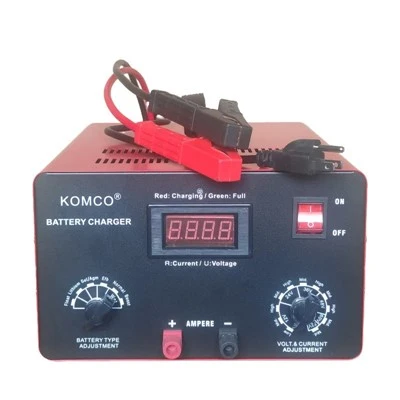
First, let’s get clear on the basics: the “wall charger” is the one you’re probably familiar with—the bulky, plastic block that plugs directly into an electrical outlet, right? But wait, that’s not the whole story. Sometimes people use “wall charger” to mean any charger that connects to mains power, but technically, a wall charger is a specific type of power adapter. A USB charger, on the other hand, is often a smaller device that delivers power through a USB port, which you then plug a cable into to connect to your phone, tablet, or other gadget. The confusion comes because so many modern chargers combine both: you can have a wall charger with a USB port on it, or a USB charger that comes with a wall plug adapter. Let’s dig into the core technical differences that matter, not just the packaging.
The first big distinction is power output, measured in watts (W) or milliampere-hours (mAh). Let’s keep this simple: watts are a measure of how much power a device can deliver at once. A standard, basic wall charger—think the one that came with your old smartphone from 10 years ago—usually puts out between 5W and 12W. That’s enough for slow charging: it might take 2 to 3 hours to top up a phone battery that’s 3,000 mAh. USB chargers, though, have evolved a lot. The original USB 1.0 standard only delivered up to 2.5W, but modern USB chargers—especially those with USB-C ports—can go up to 100W or more. That’s why a high-power USB charger can charge a laptop in 1 to 2 hours, or a power bank in 30 minutes.
But wait, that’s not to say all USB chargers are more powerful. Some budget USB chargers still cap out at 5W, same as a basic wall charger. The key difference here is where the power is processed. A traditional wall charger has its own internal circuitry that converts AC (alternating current) from your home’s outlet to DC (direct current) that devices use. That circuitry is built right into the plug, so you plug it into the wall, and it sends power out through a cable that attaches to it. A USB charger, by contrast, often has the power processing either built into the charger itself or into the USB cable’s end. Wait—no, let me correct that: a USB charger is actually a device that provides power via a USB interface, so it can be a wall plug, a car adapter, or even a portable power bank. The term “USB charger” refers to the port type and power delivery protocol, not the form factor. That’s why a USB wall charger is just a wall charger that uses USB ports, and a non-USB wall charger might be an older model that uses a proprietary plug for a specific device, like an old MP3 player or digital camera.
Another critical difference is compatibility and flexibility. A wall charger, as a standalone AC-to-DC adapter, is typically designed for one specific device or a small range of devices. For example, an old wall charger for a Nintendo DS might only work with that specific model, because it uses a unique plug and a fixed power output. A USB charger, though, is built to universal USB standards, so it can work with almost any USB-enabled device: phones, tablets, headphones, power banks, even some small laptops. That flexibility is why USB chargers became so popular in the first place—you can buy one USB charger and use it for all your gadgets, instead of keeping a dozen separate wall chargers around.
But here’s where things get tricky: not all USB chargers are created equal. Some cheap USB chargers on the market don’t follow USB-IF (USB Implementers Forum) standards, which means they can deliver inconsistent power—sometimes too much, sometimes too little. Too much power can damage your device’s battery over time, while too little means it will charge slowly or not at all. Traditional wall chargers, especially those made by reputable manufacturers, usually have strict safety controls built in, because they’re designed to connect directly to mains power, which is more powerful and dangerous if not regulated. That’s why, for a long time, wall chargers were seen as more reliable for high-power devices, while USB chargers were for low-power items like old mp3 players or phone accessories.
Wait, but let’s talk about charging speed, because that’s what most people care about. Let’s use an example: if you have a 10,000 mAh power bank. A basic wall charger (10W) will take about 5 hours to fully charge that power bank. A high-speed USB charger (20W) will take about 2 hours. But why the difference? Because the USB charger uses a faster charging protocol, like USB Power Delivery (USB-PD) or Qualcomm Quick Charge (QC), which are designed to deliver more power without damaging devices. Traditional wall chargers rarely use these fast charging protocols—most are fixed at 5W or 10W, so they can’t adjust their power output based on what’s connected. That’s a big advantage of modern USB chargers: they’re smart. They communicate with your device to deliver the exact amount of power it needs, when it needs it, which is safer and faster.
But let’s not write off wall chargers entirely. There are still use cases where a wall charger is better than a USB charger. For example, if you’re powering a device that doesn’t have a USB port—like a small refrigerator, a portable fan, or a vintage electronic toy—you’ll need a standard wall charger that matches the device’s power requirements. USB chargers aren’t built to handle high-voltage, high-power non-USB devices, so you can’t swap them out. Also, if you’re in a region with unstable mains power, a high-quality traditional wall charger might have more robust surge protection, whereas some budget USB chargers skimp on that to cut costs. As a battery charger supplier, we’ve seen this a lot: customers come to us with a dead laptop that was damaged by a cheap USB charger that didn’t have proper surge protection, whereas a wall charger would have prevented that.
Another point to consider is portability and number of ports. A lot of modern wall chargers now have multiple USB ports—sometimes up to 6—so you can charge 3 or 4 devices at once from one outlet. But a USB charger that’s meant for travel is usually smaller, lighter, and can fit in a carry-on bag, whereas a large wall charger with multiple ports might be bulkier. Wait, no—actually, many travel USB chargers are wall-sized, too. The difference here is that a travel wall charger is designed with folding prongs, so it’s easy to pack, while a USB power bank is a separate device that stores power, so it’s good for charging on the go when you don’t have access to an outlet. That’s a common mix-up: people think a USB charger is a power bank, but a power bank is a portable USB charger that stores power, whereas a wall charger is for plugging into an outlet.
Let’s clear up a common myth: some people say USB chargers are only for low-power devices, but that’s not true anymore. USB-PD can deliver up to 240W, which is enough to charge a 16-inch MacBook Pro, a gaming laptop, or even a small electric bike. So the line between USB chargers and wall chargers has blurred a lot in the last 5 years. The biggest difference now is form factor and intended use, not power type. A wall charger is a device that plugs into mains power directly (or via a detachable cord) and converts AC to DC. A USB charger is any charger that delivers power through a USB interface, which can be a wall plug, a car adapter, a power bank, or even a solar panel.
That said, there are still practical differences for everyday use. Let’s take a scenario: you’re at home, charging your phone, wireless headphones, and a smart watch. A wall charger with 3 USB-A ports will work fine, delivering enough power for all three devices. But if you want to charge your laptop, which needs 65W, you’ll need a USB charger with a USB-C port that supports USB-PD, or a high-power wall charger. If you use a basic 5W USB charger for your laptop, it will take all day to charge, and might even overheat because it’s not delivering enough power. On the flip side, using a high-power USB charger for a small device like a wireless earbud case could damage the battery over time, because the earbuds are only designed to handle 5W. So it’s all about matching the charger’s output to the device’s requirements, regardless of whether it’s called a USB charger or a wall charger.
As someone who’s worked in the battery charger industry for years, I’ve seen a lot of mistakes people make here. Many customers buy the cheapest charger they can find online, not realizing that a $5 USB charger might not be certified by USB-IF, so it could be unsafe. A reputable wall charger, even if it’s a bit more expensive, will have certifications from organizations like UL (Underwriters Laboratories) or CE, which means it’s been tested for safety. That’s why when we supply chargers, we always emphasize checking the certification marks, not just whether it’s a USB or wall charger.
Another common question: can you use a USB charger as a wall charger, or vice versa? The short answer is yes, if they’re compatible. If you have a USB charger with a wall plug adapter, you can plug it into an outlet just like a wall charger. If you have a wall charger with a USB port, you can use it to charge devices via a USB cable, just like a USB charger. The only time you can’t is if the device has a proprietary plug that doesn’t fit a USB port, or if the power output doesn’t match. For example, an old digital camera that uses a 7.4V wall charger won’t work with a 5V USB charger, because the voltage is too low. That’s a key point: voltage matters as much as port type. A USB charger almost always delivers 5V, but modern high-power ones can deliver higher voltages (9V, 15V, 20V) to enable fast charging, which is why they work with devices that need more power.
Let’s talk about battery longevity, because that’s a big concern for anyone who uses rechargeable devices. Using the wrong charger—whether it’s a bad USB charger or an old wall charger—can shorten the life of your device’s battery. Lithium-ion batteries, which are used in almost all modern gadgets, are sensitive to overcharging and inconsistent power. A charger that delivers too much current will cause the battery to degrade faster, leading to reduced capacity over time. Studies from battery research groups show that using uncertified, low-quality chargers can reduce a lithium-ion battery’s lifespan by up to 30%, which means you’ll have to replace your phone, laptop, or power bank sooner. That’s why choosing a quality charger, whether it’s a USB charger or a wall charger, is an investment in keeping your devices working longer.
So to wrap this up, what’s the core difference between a USB charger and a wall charger today? It’s not a hard line, but here’s a practical way to think about it: a wall charger refers to the form factor of the device—it plugs directly into an electrical outlet (or uses a detachable power cord to connect to the wall) and converts AC to DC power. A USB charger refers to the interface it uses to deliver power—so it’s any charger that sends power through a USB port, regardless of form factor. Modern chargers often merge these: a USB wall charger is a wall charger that uses USB ports, and that’s the type most people use today for their everyday devices. The real differences that matter are power output, charging protocols, certification, and compatibility with your specific devices, not whether it’s labeled a USB charger or a wall charger.
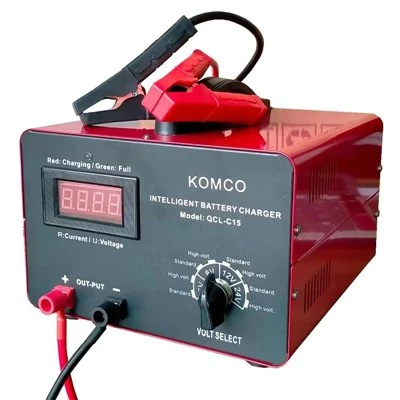
If you’re not sure which charger is right for your devices, or you’re looking for high-quality, safe chargers that won’t damage your batteries, feel free to reach out to our team to discuss your needs. We offer a range of USB chargers and wall chargers for all types of devices, from smartphones to laptops to power banks, so we can help you find the perfect fit for your home, office, or travel needs. Whether you’re a small business owner restocking chargers for your customers or an individual looking to replace a faulty charger, we can provide the reliable, certified products you need.
3 Phase Stabilizer References
- USB Implementers Forum (USB-IF). USB Power Delivery Specification Revision 3.1, 2021.
- Underwriters Laboratories (UL). Standard for Safety for Information Technology Equipment, Including Electrical Business Equipment, UL 60950-1, 2020.
- Battery University. “Lithium-Ion Battery Charging Fundamentals,” Cadex Electronics Inc., 2022.
- International Electrotechnical Commission (IEC). Standard for Safety for Chargers for Portable Electronic Devices, IEC 62368-1, 2018.
- Consumer Technology Association (CTA). “Charging Standards for Consumer Electronics,” 2021.
Huizhou Qiangfeng Power Technology Co., Ltd.
Huizhou Qiangfeng Power Technology Co., Ltd. is one of the most professional battery charger manufacturers and suppliers in China, featured by quality products and good service. We warmly welcome you to buy customized battery charger made in China here from our factory. If you have any enquiry about quotation and free sample, please feel free to email us.
Address: No. 28, Hu’ao Avenue, Shiwan Town, Boluo County, Huizhou City, Guangdong Province
E-mail: Komco@Jinlidianqi.cn
WebSite: https://www.autobatterychargers.com/
