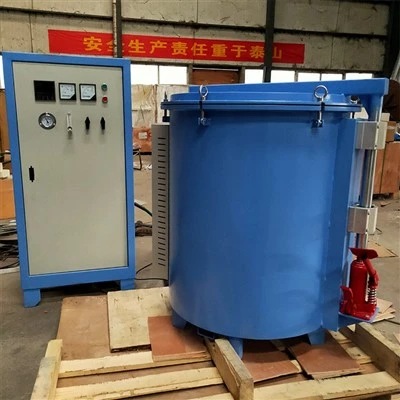
If you’ve ever walked through a metalworking lab, a ceramic studio, or a research basement and spotted a big, boxy, insulated metal oven that hums quietly while heating stuff up to thousands of degrees, chances are you were looking at a box type resistance furnace. As a supplier of these things, I get asked all the time: “Wait, what is that actually good for? I thought it was just for burning things.” Let me break this down like I would to a first-time customer, no stuffy jargon, just real, practical uses that make this piece of equipment worth its weight in heat-resistant steel. Resistance Furnace
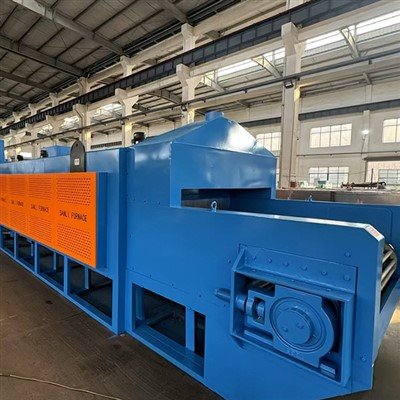
First, let’s get the basics straight, quick—no confusing definitions here. A box type resistance furnace is basically a closed, insulated box that heats stuff using electric resistance, no open flames, no gas vents to mess with the temperature. It’s adjustable, too; you can crank it up to 3,000°F or dial it way down for gentle processes, depending on what you’re doing. Most people’s first encounter with one is in small labs, but these things are used everywhere, from tiny startups to huge manufacturing plants. Let’s start with the one that’s probably the most common: heat treating metals.
If you work with metal, you know raw metal is soft, flaky, and doesn’t hold a shape well. Heat treating fixes that, and box furnaces are perfect for it. Take steel, for example. When you heat steel to a specific temperature (usually around 1,500°F) and hold it there for a set time, then cool it slowly, you make it way harder and more durable—great for tools, car parts, even the blades on a lawnmower. Do it a little differently, like heating it up then quenching it in oil or water, and you get something tough enough for springs or structural beams. I’ve sold these furnaces to small machine shops that make custom parts, and they swear by them because you can tweak the heat to get exactly the hardness they need without wasting material on trial and error. No open flame means the heat is consistent across the whole box, so every part comes out the same, no weird hot spots that ruin a batch.
Then there’s annealing, which is basically the opposite of hardening. If you have metal that’s too hard to bend or machine, you use a box furnace to heat it up, then cool it really slowly to soften it, make it more malleable. A lot of jewelry makers use this for gold, silver, or platinum—annealing gold makes it easy to stretch or shape into rings or pendants without cracking. I had a custom jeweler hit me up last month because his old furnace kept overheating his silver, ruining whole batches. We sold him a box type with a digital temperature controller, and he told me a week later he’s saved over $1,000 in material because he no longer has to toss ruined pieces. That’s the kind of win that makes this job worth it.
Moving past metals to ceramics—oh, box furnaces are basically non-negotiable for pottery, ceramics, and even advanced ceramic materials. If you’ve ever held a glossy, hard ceramic mug, that went through a box furnace. The process is called sintering or firing: you shape clay or ceramic powder, put it in the furnace, heat it to super high temps, and the particles fuse together into a solid, non-porous material. For regular pottery, it’s around 2,000°F; for technical ceramics used in phone parts or jet engine components, it’s way hotter, up to 2,800°F. What’s cool here is that you can control the atmosphere inside the box, too—some ceramics need a little oxygen, some need none, and box furnaces can be sealed to let you pump in argon or nitrogen to keep the air out. I’ve supplied furnaces to art studios and aerospace labs, and both sides rely on the same core design—just cranked up or down for different needs.
Then there’s what’s called “ashing” or sample preparation for research. If you’re a chemist, biologist, or environmental scientist, you might need to test a sample—say, soil, plant matter, or even food—for the amount of metal or minerals in it. You put the sample in a crucible inside the box furnace, heat it until all the organic stuff (the dirt, leaves, whatever) burns away, leaving only the inorganic ash. That ash is easy to test, and box furnaces do this consistently way better than a regular oven. I’ve shipped these to university labs for environmental studies, and one lab told me they use their furnace every single day to test local water runoff for heavy metals. No open flames here, either—so the sample doesn’t get contaminated, which is super important for accurate results.
Wait, let’s not forget about small-scale manufacturing for non-metals. Things like glass fusing, for example. If you make custom glass art or even specialty glass for industrial uses, you use a box furnace to melt glass pieces together, heat it to make it smooth, then cool it slowly so it doesn’t crack. Some companies make glass components for solar panels, and they use box furnaces to seal those glass parts together without breaking them. Even battery tech—newer solid-state batteries use ceramic electrolytes, right? Researchers heat those electrolytes in box furnaces to make them denser and more efficient, so the batteries hold more charge. That’s a pretty new use case, but we’ve been selling furnaces to battery startups for the past two years, and the demand’s only going up.
I know what some of you are thinking: “Can’t I just use a different type of furnace for some of this stuff?” Maybe, but box type ones have perks that make them stand out. They’re easy to load and unload—you just open the front door, slide in a tray or a rack, no weird chambers to mess with. They’re more energy-efficient than other designs, too, because the insulated box holds heat way better than open-flame or conveyor furnaces for small batches. And they’re versatile; you can switch between heat treating, annealing, and firing in the same furnace if you adjust the temperature and atmosphere. I’ve had customers who start with a small lab box furnace for testing, then buy a bigger one when their business grows—because it grows with them, no need to replace the whole unit.
Now, I should be straight with you—they’re not perfect for every job. If you need to process huge batches of parts for a car factory, a continuous conveyor furnace is better, because it runs 24/7 and moves parts through on a line. If you need to heat something to over 3,500°F for space materials, a vacuum furnace is the way to go. But for most small to medium operations, labs, startups, and custom makers, the box type is the workhorse that gets the job done without the hassle.
Here’s the thing: I’ve been in this game long enough to see customers buy cheap, no-name furnaces online, only to have them break after a few months because the insulation is bad or the temperature control is off. That’s why our box furnaces are built with heavy-duty insulation, accurate digital controls, and a warranty that actually works. Last year, a small tool shop called me at 2 a.m. because their furnace died right before a big order. We got a replacement to them by the next afternoon, and they didn’t lose their client. That’s the level of support we’re about, not just selling a box and walking away.
If you’re someone who’s testing processes, scaling a small business, or just tired of inconsistent heating ruining your batches, a box type resistance furnace is probably what you need. I’ve helped people with everything from firing pottery in a garage lab to heat treating custom bike parts, and every time, it comes down to making a piece of equipment that’s simple, reliable, and gets the job done.
Resistance Furnace If you’re curious about what size or model would work for your specific use case, feel free to reach out. We can talk through your process, the temperatures you need, and how many batches you’re running, no pressure, no sales hype. This isn’t just about selling a furnace—it’s about making sure you have the right tool to make your work better.
References
- “Heat Treatment of Metals: Principles and Techniques” by George E. Totten, CRC Press, 2014.
- “Ceramic Firing Basics” by American Ceramic Society, 2018.
- “Laboratory Sample Preparation Methods for Inorganic Analysis” by Journal of Analytical Chemistry, Vol. 72, No. 12, 2017.
- “Solid-State Battery Materials Processing” by Nature Energy, Vol. 5, No. 3, 2020.
Danyang Dingfeng Industrial Furnace Co., Ltd.
Danyang Dingfeng Industrial Furnace Co., Ltd. is one of the most experienced resistance furnace manufacturers and suppliers in China, also supports customized service with low price. Please feel free to wholesale high quality resistance furnace made in China here from our factory. For pricelist, contact us now.
Address: Lizhuang Economic Development Zone, Danyang City
E-mail: saleszk@dffurnace.com
WebSite: https://www.dffurnace.com/
