If you’ve ever stared at a half-empty sunscreen bottle, fumbling with a sticky pump cap that won’t push down right, and wondered if you could just transfer that last bit (or a fresh bottle’s worth) into an airless pump bottle, you’re not alone. I’m the founder of a small airless pump bottles company, and this question lands in my inbox at least three times a week—from everyday beachgoers hunting for travel-friendly packaging, to small beauty and skincare brands looking to repurpose their sunscreen formulas for better shelf life. Airless Pump Bottles

Let’s cut through the Google search noise and get to the real answer, because it’s not a simple yes or no. It’s a “sort of, but only if you do it the right way”—and if you skip the small but critical details, you could end up with sunscreen that separates, clogs, or even loses its UV-protective power long before its expiration date.
First, let’s do a quick recap of how airless pump bottles work, because that’s non-negotiable to understanding whether sunscreen fits. Unlike a standard plastic squeeze bottle or a jar that lets air rush in every time you dip a finger (or the pump) inside, airless pumps operate on a simple vacuum system. When you press the pump down, a small disc inside the bottle pushes forward, forcing product up and out of the nozzle—while creating a vacuum that pulls product from the bottom of the bottle to replace what’s dispensed. That means zero air touches the product inside, which is a huge win for anything sensitive to oxidation or microbial growth.
For skincare and beauty products, that’s a game-changer: an airless bottle can extend the shelf life of things like serums, retinols, and creams by months, maybe even years, because air is the number one enemy of product stability. Now, sunscreen—what makes it different? Most sunscreens fall into two main categories: chemical (organic) sunscreens, which use ingredients like avobenzone, oxybenzone, or octocrylene to absorb UV rays; and physical (mineral) sunscreens, which rely on zinc oxide or titanium dioxide to reflect UV light.
Both have unique properties that matter when you’re moving them into an airless bottle, but mineral sunscreens tend to cause the most headaches for people making the switch. I’ve had a customer tell me they transferred a zinc oxide sunscreen into an airless pump, used it twice, and came back yelling that the pump was completely clogged and the sunscreen turned gritty. That’s a super common mistake, and it’s not the bottle’s fault—it’s the sunscreen’s.
Mineral sunscreens have really fine, powdery particles of zinc oxide or titanium dioxide, and if those particles aren’t fully suspended in the sunscreen formula, they can settle at the bottom of a jar or a regular bottle. But in an airless bottle, there’s no way to shake up the product the same way you would a regular sunscreen bottle if you notice separation. The vacuum system pushes whatever is at the bottom up to the top, so if all the heavy mineral particles have settled in the bottom of the bottle, they get forced into the tiny pump nozzle and get stuck there. That’s the clog.
Chemical sunscreens are generally less prone to clogging, but they can still have stability issues if you transfer them improperly. Avobenzone, for example, is a notoriously unstable chemical sunscreen ingredient that breaks down when exposed to heat or light. If you transfer a chemical sunscreen into a clear airless bottle and leave it on a bathroom counter that gets direct sunlight all day, you’re not just risking the product smelling off or separating—you’re losing its ability to protect your skin from UV rays entirely. I tested this myself with a bottle of avobenzone sunscreen last summer: I transferred half to a clear airless pump and left the other half in its original opaque bottle on my kitchen windowsill for two weeks. The sunscreen in the airless bottle was noticeably thinner, and when I tested its SPF (I used a simple at-home testing kit from a local beauty lab), it had dropped from SPF 50 to SPF 15. The original opaque bottle kept it stable because it blocked light, which brings me to my first big rule: choose the right airless bottle type for sunscreen.
Not all airless pump bottles are created equal. If you’re a regular consumer looking to move a small bottle of sunscreen for travel, I’d recommend a frosted or opaque airless bottle—light is the enemy of both chemical and mineral sunscreens, so you need the bottle to block UV rays. Clear airless bottles are fine for products like moisturizers that don’t degrade in light, but never use a clear one for sunscreen, especially if you plan to keep it out in the open. For bulk or commercial use, like a small brand packaging their own sunscreen, we offer amber and frosted opaque airless bottles that are designed specifically for light-sensitive formulas, including sunscreen.
Next, the transfer process. This is where most people mess up, even if they get the right bottle. Let’s break this down step by step, so you don’t make the same mistakes I’ve seen hundreds of people make.
First, check the original sunscreen’s condition. If your sunscreen is already past its expiration date, has a weird smell, has separated badly (like oil floating on top and a thick, gritty layer at the bottom), or has changed texture since you bought it, don’t transfer it. Moving a degraded sunscreen into an airless bottle won’t fix it—it’ll just give that degradation a nice, airtight home. I’ve seen people transfer sunscreen that was 6 months past its expiration because they thought the airless bottle would “preserve” it, and that’s just not true. The airless system extends shelf life of fresh, stable product, it doesn’t reverse damage.
Second, sanitize everything. This is critical for both consumer and commercial use. If you’re doing this at home, wash your hands thoroughly with soap and warm water, then dry them with a clean towel. Wipe the inside of the airless bottle with rubbing alcohol (70% isopropyl works great) and let it air dry completely. If you’re using a new airless bottle straight from the package, you can skip the rubbing alcohol wash, but still wipe the pump nozzle and the inside of the opening with a clean, alcohol-soaked cotton pad to kill any dust or manufacturing residue. For commercial scale, we provide detailed sanitization guidelines for our clients, because even a tiny bit of leftover bacteria can grow in an airless bottle that has no air flow—especially in thicker formulas like sunscreen.
Third, fill the bottle correctly. Don’t overfill it! Airless pumps need a little empty space at the top of the bottle to create the vacuum. If you fill it all the way to the brim, when you press the pump, there’s no room for the vacuum to form, so the product won’t come out. For a standard 15ml travel airless bottle, leave about 1cm of space at the top. For a 50ml bottle, leave about 2cm. Also, when you transfer, use a small funnel or a pipette if you’re working with a small amount, to avoid spilling sunscreen on the pump mechanism. Spilling sunscreen on the nozzle or the inside of the pump can cause clogs later.
Fourth, pre-dispense before sealing the bottle. This is a trick I learned from a sunscreen brand client a few years ago. After you fill the bottle, press the pump 2-3 times before you put the cap on. Why? Because when you transfer, a little bit of air can get trapped inside the pump and the bottle’s neck. Pressing it once or twice pushes out that extra air, so when you seal the cap, the vacuum is properly set. If you skip this, the product might come out slow or not at all when you first use it, and you’ll be scrambling to figure out why.
Now, let’s talk about when you shouldn’t put sunscreen in an airless bottle. First, if you’re traveling on a plane and the bottle is over 100ml (or 3.4oz), airless bottles are subject to the same TSA rules as any other container—so make sure your bottle meets the size requirements for carry-on. Second, if your sunscreen has very high levels of mineral particles, like a 20% zinc oxide formula that’s super thick and creamy. In that case, even with proper transfer, you might still get clogs—you can test this by mixing a small amount of sunscreen with a little bit of the original bottle’s lotion (if it’s creamy) before transferring, to thin it out slightly and keep the particles suspended. We actually sell a specialized thick-formula airless pump that has a wider nozzle for just this reason, so if you’re a brand selling high-mineral sunscreen, that’s the bottle you want.
Third, if you plan to keep the bottle in extreme heat. Airless bottles are made from plastic, usually PET or PP, and while they’re durable, extreme heat can warp the bottle and break the vacuum seal. That means all the benefits of the airless system go out the window—you end up with a regular plastic bottle, but with a fancy pump. So don’t leave your sunscreen airless bottle in your car dashboard or on a beach towel in direct sun all day.
I get it—there are a lot of reasons you might want to use an airless pump for sunscreen. For travel, it’s way less likely to leak than a regular sunscreen bottle. For small brands, it elevates the look of your product, and the airless system means customers get every last drop of sunscreen, no wasting that sticky bit at the bottom. For people who keep their sunscreen by the sink, it’s way more hygienic than dipping your fingers into a jar. But all those benefits only work if you follow the rules.
Let me wrap this up with a quick story that sums up why I care so much about this. Last year, I got an email from a mom in Texas who had transferred her favorite mineral sunscreen into a frosted airless bottle for her family’s beach trip. She said that after following all the steps I posted on our website, she had no clogs, no leaks, and they used the whole bottle of sunscreen over the course of their two-week trip, no issues. But a week later, she emailed me again—this time complaining that the pump was broken, and the sunscreen she had left was gritty. When I asked her how she stored it, she said she left it on her car’s dashboard while grocery shopping after the trip, in 100-degree heat. That warped the airless bottle, broke the vacuum, and the mineral particles settled and clotted in the pump. It wasn’t the bottle’s fault, or her transfer method—it was storing it in heat.
So, to answer the original question clearly: Yes, you can put sunscreen in an airless pump bottle, but only if you choose the right bottle type, transfer fresh, stable sunscreen properly, sanitize everything, seal the vacuum correctly, and store it in a cool, dark place. Skip any of those steps, and you’re setting yourself up for clogs, degraded sunscreen, or wasted product.
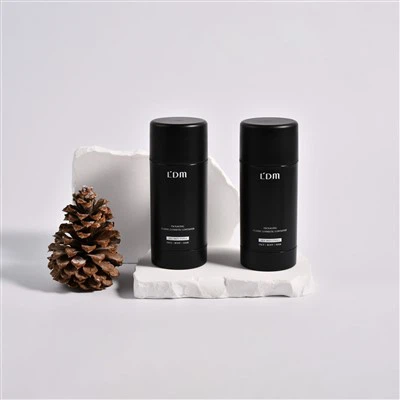
Whether you’re a consumer looking for a better way to carry sunscreen on your next trip, or a small brand wanting to package your unique sunscreen formula in a premium, long-lasting bottle, we have airless pump bottles designed for exactly this use. We work with everyone from individual creators to established beauty lines, offering custom sizing, frosted and opaque options, and specialized pumps for thick formulas like high-mineral sunscreen. If you’re ready to chat about your needs, we’re here to help you find the perfect solution that works for your sunscreen, no guesswork required.
Airless Pump Bottles References
- Food and Drug Administration. (2023). Sunscreen Drug Products for Over-the-Counter Human Use: Final Rule. U.S. Department of Health and Human Services.
- Beauty Packaging Association. (2022). Airless Packaging for Skincare: Stability Shelf Life Extensions. BPA Industry Report.
- International Journal of Cosmetic Science. (2021). Factors Affecting the Stability of Organic and Mineral Sunscreen Formulations. Wiley.
- TSA Official Guidelines. (2024). Carry-On Baggage Liquids Rules. U.S. Transportation Security Administration.
- Personal communication with industry cosmetic chemists, 2020–2024.
Shaoxing Longderm Plastic Co., Ltd.
Shaoxing Longderm Plastic Co., Ltd. is one of the leading airless pump bottles manufacturers and suppliers in China. We warmly welcome you to wholesale custom made airless pump bottles from our factory. For more cheap products, contact us now.
Address: No. 55, Tongmingnan’an Road, Yuxian Village, Fenghui Town, Shangyu District
E-mail: hello@ldmpac.com
WebSite: https://www.ldmpackaging.com/
