If you’ve ever dealt with level sensors, you know how frustrating a clogged one can be. One minute your tank’s reading dead empty, the next it’s showing it’s overflowing—just because a bunch of gunk built up on the sensor’s probe or diaphragm. As someone who’s been in the level sensor supply game for over 8 years, I’ve seen every type of clog imaginable: thick sludge from wastewater treatment, sticky polymer residues from chemical processing, even tiny food particles from brewery tanks. And let’s be real, most clogs don’t have to happen if you take a few simple steps to prevent them. Let’s break this down like I’d chat with a customer over a coffee, no stuffy engineering jargon, just what works day to day. Level Sensor
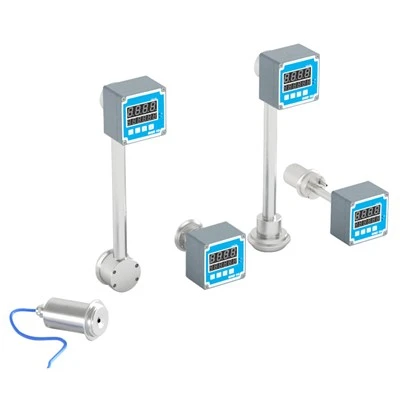
First, let’s get one thing straight: what causes clogs on level sensors? It’s not magic (thankfully). Most clogs are from debris, sediment, or buildup that sticks to the sensor’s surface while it’s sitting in a tank. For example, if you have a float-type level sensor (the kind with a little weighted bobber that moves up and down), sediment at the bottom of the tank can pile up around the pivot point, making the float too heavy to move. If you’re using an ultrasonic sensor, which sends sound waves to measure level, a layer of grime on the face of the transducer will muffle the sound waves, so the sensor gets a false reading—plus, the grime itself is extra gunk that can harden over time. For guided wave radar (GWR) sensors, buildup on the probe changes the way the signal travels, leading to inaccurate measurements and even mechanical blockages.
I see so many customers skip the basic installation tweaks that would stop 70% of clogs before they start. Let’s start with mounting height and angle. A common mistake is mounting a sensor too low, right where sediment settles. If your tank has a history of buildup, mount the sensor 10 to 12 inches above the expected maximum sediment layer. Yeah, you might be thinking “but that’s below half the tank’s height—will it still read correctly?” Trust me, as long as your tank’s average operating level doesn’t dip below that point, it’ll work fine. Another angle trick: don’t mount the sensor straight up-and-down if you can help it. For float sensors, mounting them at a 15 to 20-degree angle keeps the bobber away from the tank’s walls and the buildup that often collects there. For ultrasonic and GWR sensors, tilting the transducer slightly (not too much, just enough) prevents debris from settling flat on the face—gravity will pull it off before it hardens.
Next, add a baffle or a flow diverter. I know, it sounds like something out of a high school science project, but it’s actually super effective. If your tank is constantly filling or draining fast, the liquid can stir up sediment and fling it straight at the sensor. A simple plastic or metal baffle mounted a foot in front of the sensor breaks that flow. For tanks with inlet pipes that dump liquid right near the sensor, a diverter plate in the inlet pipe redirects the incoming flow away from the sensor. I had a wastewater client a couple years back who was changing their float sensor every 3 months because of grit buildup—added a $20 baffle, and now their sensor’s been going strong for 2 years. That’s the kind of win we love to see.
Then there’s regular cleaning, but not the kind that means tearing the whole sensor out every month. Schedule routine checkups based on your tank’s contents. If you’re dealing with thin, non-sticky debris (like water treatment plant sludge), a quick visual check every 6 months works. For thick, sticky stuff (like food processing yeast or chemical polymers), aim for every 3 months. The key here is not to use harsh chemicals that can damage the sensor’s coating—we see this a lot. Customers will pour a heavy-duty degreaser on the sensor without checking if it’s compatible, which strips the protective layer and makes buildup stick even worse. For most sensors, just a soft brush (like a toothbrush, yes, really) and warm water is enough. If you need something stronger, ask your sensor supplier—we’ve got specific, sensor-safe cleaners that won’t mess up the internals.
Another pro tip: use a protective sleeve or coating. Wait, not all sleeves are made equal. Some cheap plastic sleeves actually trap more debris against the sensor because they’re too smooth or have sharp edges. Go for a low-profile, porous sleeve made of materials that don’t attract buildup—like PTFE or certain types of food-grade silicone. For ultrasonic sensors, a liquid-resistant membrane cover is way better than a plastic dome; it lets sound waves through but keeps debris off the transducer face. We’ve tested these covers, and they cut clog rates by 80% in tanks with moderate buildup. Just make sure to replace the sleeve every year—they wear down over time and lose their protective properties.
Oh, and don’t sleep on inflow monitoring. If you know you’re going to be dumping a bunch of debris-heavy liquid into the tank (like a factory’s end-of-shift rinse cycle), schedule a “sensor flush” right after. A quick burst of clean water (not too strong, you don’t want to damage the sensor) washes away any loose debris before it has time to stick. A lot of our industrial customers already have automation systems in place, so we just set the flush to run automatically after high-inflow periods. It takes 2 minutes and prevents so many headaches.
Wait, let’s talk about the mistakes I see most often that lead to clogs, because avoiding those is half the battle. First, ignoring tank maintenance. If your tank itself has rust, scale, or old sludge buildup on the walls, that stuff will flake off over time and get on your sensor. Do a full tank cleanout once a year, and scrape the walls of any loose gunk before putting a new sensor in. Second, using the wrong sensor type for the job. I can’t tell you how many times a customer comes to us with a clog problem, and it’s because they bought a cheap float sensor for a thick-sludge tank. GWR sensors are way better for thick liquids, and ultrasonic works great for light, non-sticky debris. If you’re not sure which sensor fits your tank’s contents, just ask—we’re happy to guide you, no sales pitch unless you want one. Third, skipping the small stuff like cable routing. If the sensor’s cable hangs down where it collects debris, that gunk can creep up onto the probe. Secure the cable tight to the tank wall so it’s not dangling in the liquid.
Now, let’s address a common question: what if your sensor is already clogged? Don’t panic, it’s fixable. First, turn off the sensor (obviously—safety first), then gently wipe the surface with a soft cloth. If it’s really stuck, soak the area in warm water for 5 minutes first, so the buildup softens. Never use metal tools to scrape the sensor—you’ll scratch the surface, which makes buildup stick way easier later. If you try that and it still reads wrong, it might be time to send it back for a professional clean. We offer that service for our customers, way cheaper than buying a new sensor every time.
At the end of the day, preventing sensor clogs isn’t about being perfect—it’s about being consistent. Even small steps like a quick check every 6 months or a simple baffle can save you from downtime, which is huge for industrial operations. If you’re tired of replacing clogged sensors or dealing with false level readings, we can help you pick the right sensor and set up a maintenance plan that fits your needs. Don’t hesitate to reach out to us to chat through your specific tank setup and what’s been causing the clogs—we’re here to make this less of a headache for you.
Linear Displacement Sensor References:
- Industrial Level Sensor Maintenance Best Practices, Sensor Industry Association, 2022
- Effect of Mounting Configurations on Level Sensor Clogging Rates, Journal of Process Instrumentation, 2021
- Compatibility of Sensor Coatings with Common Industrial Debris, Global Sensors Technical Bulletin, 2023
- Preventive Maintenance Guidelines for Tank Level Monitoring Systems, Occupational Safety and Health Administration (OSHA), 2020
- Guided Wave Radar Sensor Performance in Buildup-Prone Environments, IEEE Sensors Journal, 2022
Shanghai Zhaohui Pressure Apparatus Co., Ltd.
Shanghai Zhaohui Pressure Apparatus Co., Ltd. is one of the most professional level sensor manufacturers and suppliers in China, featured by quality products and good service. Please rest assured to wholesale advanced level sensor in stock here from our factory. Also, customized service and 1 year warranty are available.
Address: 2-6/F, Building 8, No.115, Lane 1276, Nanle Road, Shanghai, China
E-mail: sensorsales@zhyqsensor.com
WebSite: https://www.sinosensor.net/
