If you’ve walked through a kitchen showroom in the last decade, chances are you’ve run into quartz slabs—they’re durable, scratch-resistant, and come in dozens of finishes that fit everything from modern minimalist to cozy farmhouse designs. As someone who’s supplied kitchen quartz slabs for over 12 years, I’ve heard every cleaning trick in the book. Some work, most don’t, and a lot of the misinformation out there can actually damage the surface you’ve paid good money for. Today, I’m pulling back the curtain on how to clean kitchen quartz slabs the right way, backed by years of working with the material and helping customers keep their countertops looking like new. Kitchen Quartz Slab
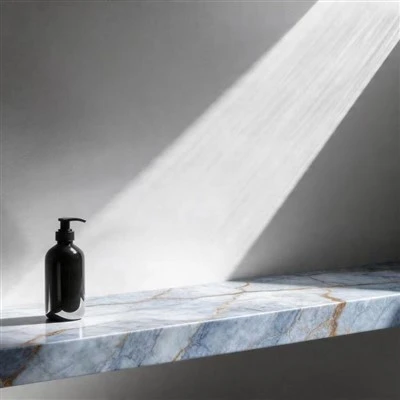
First, let’s get one thing straight: quartz is not the same as natural stone like granite or marble. It’s a engineered stone, made from 93% crushed natural quartz and 7% polymer resins and pigments. That resin is what makes quartz stain-resistant and non-porous, but it also means harsh chemicals can eat away at it over time, even if the label says “safe for stone.” I’ve seen this firsthand—customers who used oven cleaner to scrub a burnt-on pan stain, thinking it would work on their granite, came back a month later with dull, discolored spots on their quartz. Oven cleaner has lye in it, which breaks down the resin binder. So step one for any quartz care: avoid any product with lye, ammonia, bleach, or abrasive scouring powders. Those will scratch or dull the finish permanently.
The best way to clean quartz on a daily basis is simpler than you think. I recommend a gentle dish soap and warm water. Grab a soft microfiber cloth (I always keep a stack of these near my own kitchen counter—way better than paper towels, which can leave lint and even tiny scratches if they’re rough). Squirt a drop of mild, fragrance-free dish soap—no lemon-scented ones here, the acid can strip the resin—and wipe down the counter in circular motions, especially around the edge where food and grease tend to build up. For spills, wipe them up immediately. Even though quartz is non-porous, leaving acidic spills like wine, tomato sauce, or citrus juice on the surface for hours can etch the finish over time. I had a customer once who left a half-empty bottle of red wine on their island overnight; when they wiped it up the next morning, there was a faint ring. A quick wipe with warm soap and water fixed it, but if they’d left it for a week, it might have taken a little more work.
For deeper cleaning, like stuck-on food or coffee stains that didn’t come off with a daily wipe, baking soda is your best friend. Baking soda is a gentle abrasive that won’t scratch quartz, and it’s mild enough not to damage the resin. Mix a small amount with a little water to make a thick paste, then apply it to the stain. Let it sit for 10 to 15 minutes, then gently scrub with a soft sponge or non-abrasive brush. I’ve used this method to remove everything from burnt cheese and tea stains to marker marks (yes, even the kid’s crayon that snuck onto the counter). If the stain is still there, you can wrap a damp microfiber cloth around a plastic putty knife and gently scrape it off—just make sure the cloth is damp so you don’t scratch the surface. Avoid metal scrapers at all costs; even stainless steel can leave tiny scratches that build up over time.
Now, what about things that aren’t food stains? Grease splatters from cooking, hard water spots from the faucet, or even heat marks from a hot pan. Let’s tackle heat first. A lot of people will put a hot skillet or baking sheet right on their quartz counter, thinking it’s heat-resistant. And it is—up to a point. Most quartz can handle temperatures up to 300 degrees Fahrenheit, but a baking sheet straight from a 450-degree oven or a cast iron skillet searing at 500 will transfer that heat quickly. That can cause the resin to soften, leading to a faint discoloration or even a blister spot. I always recommend using a trivet or a heat pad for anything over hot coffee or tea, and definitely for pans. If you do get a heat mark, try the baking soda paste method first—most of the time, it will fade. If not, a small amount of rubbing alcohol on a microfiber cloth can help dissolve the resin surface a little to blend the discoloration. Just test it on an inconspicuous spot first, like the back edge of the counter, to make sure it doesn’t affect the finish.
Hard water spots are super common in kitchens, especially if you have a well or hard tap water. Those white, cloudy spots on the faucet and counter edges? You don’t need anything fancy to get rid of them. Plain white vinegar and warm water, mixed 1:1, is perfect. Soak a cloth in the solution, lay it over the spot for 5 minutes, then wipe away. The acid in the vinegar dissolves the mineral deposits without damaging the quartz. I’ve seen customers who used bleach to remove these spots end up with even more discoloration—bleach reacts with the resin in quartz, turning it yellow or dull. Stick with vinegar, it’s cheap and works every time.
Grease splatters, especially from bacon, fried chicken, or pizza, can be tricky because they’re oily. Again, the gentle dish soap and warm water works for most, but if it’s heavy, you can use a small amount of isopropyl alcohol (70% or higher) on a microfiber cloth. Wipe the area, then follow up with warm soap and water to make sure there’s no residue left. Residue can attract more dust and food particles, leading to more stains down the line. Avoid using commercial granite cleaners—even the ones that say “safe for all stone”—they often have ingredients that are too harsh for quartz. I’ve had customers try these cleaners, and even though the label said safe, the finish started to dull within a month. Stick to products made specifically for quartz, or just stick with the home remedies we talked about; they work better and are cheaper.
Now, what should you never do to your quartz counter? Let’s go over the don’ts, because these are the things that will cause permanent damage. First, don’t use abrasive cleaners like Comet, Soft Scrub, or any cleaning product with sand, scrubbing bubbles, or harsh abrasives. These will scratch the surface, and those scratches will trap food and dirt, making stains harder to remove. Second, don’t cut directly on the quartz. I know, I know—quartz is hard, so it seems like it would be fine, but the edge of a knife, even a sharp one, will scratch the surface. It’s not a matter of if, it’s a matter of when. Always use a cutting board, and I recommend a wooden or silicone one; plastic can leave little bits that get stuck in the scratches. Third, don’t place hot items without a trivet, as we talked about earlier. And fourth, don’t use wax or sealers on quartz. Unlike natural stone, quartz already has a non-porous surface, so sealers are unnecessary and can leave a sticky residue that attracts dirt. I’ve seen customers who applied sealant to their quartz because a installer told them to, and it made the counter look cloudy and dull. Save your money, you don’t need it.
I’ve been in this business for long enough that I’ve seen every mistake a homeowner can make with their quartz countertops. A few years back, a customer came to me with a quartz slab they’d had for six months that was covered in deep scratches. Turns out, their teenage son used a steel wool pad to scrub a sticky soda stain off, thinking it would be tough enough. The scratches were too deep to fix, so they had to replace the whole slab. Another customer used a drain cleaner that spilled on the counter, and that ate a hole in the resin. Drain cleaners have strong acids and bases, and they’re one of the worst things you can get on quartz. If something like that spills, rinse with cold water immediately, then wipe with dish soap and warm water. Don’t let it sit.
The good news is, quartz is one of the lowest-maintenance countertop materials you can buy. A quick wipe daily, a deep clean once a week, and avoiding the big don’ts will keep it looking like new for decades. I’ve supplied quartz slabs to homes that are 20 years old, and they still look better than many granite countertops that are 5 years old—just because they’ve been cleaned the right way.
If you’re in the market for new kitchen quartz slabs, or you’re looking to replace your current countertops and want something durable and easy to clean, reach out to us to discuss your project. We work with homeowners, designers, and contractors to find the right quartz slab for every kitchen, and we’re happy to answer any questions you have about care or installation. We believe a countertop should be both functional and beautiful, so you can spend less time cleaning and more time enjoying your kitchen.
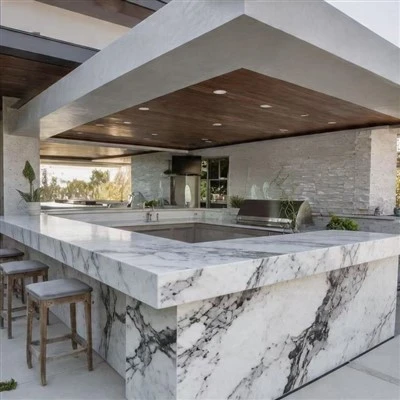
If you’re a homeowner who’s already got quartz and just need help with a stubborn stain, or you’re a designer looking for bulk supplies, don’t hesitate to get in touch. We’re here to make sure your kitchen quartz slabs stay in top shape for as long as you own your home.
Quartz Furniture References
- Engineered Stone Association. (2021). Care and Maintenance Guidelines for Quartz Surfaces.
- Natural Stone Institute. (2020). Quartz Countertop Care: Avoiding Common Damage.
- Kitchen and Bath Industry Association. (2022). Best Practices for Kitchen Surface Maintenance.
- Journal of Applied Polymer Science. (2019). Durability of Engineered Quartz Surfaces Under Common Household Cleaning Products.
Wuhu Junde New Material Technology Co., Ltd.
As one of the most experienced kitchen quartz slab manufacturers and suppliers in China since 1998, we warmly welcome you to wholesale top-quality kitchen quartz slab made in China here from our factory. If you have any enquiry about cooperation, please feel free to email us.
Address: No.8 Yulin Road, Xinwu Economic Development Zone, Anhui Province, China
E-mail: 1127319898@qq.com
WebSite: https://www.jundequartz.com/
