If you’ve ever stood in the cleaning aisle of a local hardware store, staring at rows of tile floor cleaners with confusing labels—“pH-neutral,” “stain-fighting formula,” “green certified”—you’re not alone. As a Surface Cleaner supplier who’s spent the last eight years working directly with homeowners, property managers, and commercial cleaning teams, I’ve heard every frustration: a product that leaves streaks on porcelain tile, a formula that etches grout lines, or one that works great for kitchen spills but falls flat on bathroom mildew. Today, I’m breaking down what actually makes a tile floor cleaner the best, based on real-world use, material science, and the feedback we get from the teams that rely on our products every single day. Surface Cleaner
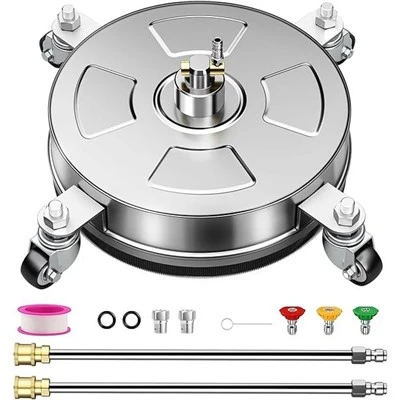
First, let’s get one thing straight: tile floors aren’t a one-size-fits-all surface. That cheap cleaners you used as a college student worked for that laminate tile in your dorm, but it’ll ruin the polished natural stone tile in your kitchen. The best surface cleaner for tile has to account for the two components that make up most tile floors: the tile itself and the grout that holds it in place. Most tile falls into two main categories: porous (like natural stone—granite, marble, slate, or unglazed ceramic tile) and non-porous (glazed ceramic, porcelain, vinyl tile, and stone tile that’s been sealed).
Porous tile is fragile. It absorbs liquids fast, which means harsh chemicals or overly acidic cleaners can etch the surface, leaving dull, permanent marks that no amount of scrubbing will fix. I’ve had a property manager come to us last year, frustrated, because he’d used a heavy-duty bathroom cleaner with high ammonia on his marble lobby tile. By the time he realized his mistake, the tile had a cloudy, etched film that cost thousands to repair. On the flip side, non-porous tile is tough, but it still needs a cleaner that cuts through grease and grime without leaving a waxy residue—residue that builds up over time and makes your floors look dull, even after you mop.
That’s why pH balance is non-negotiable. The ideal pH for a tile floor cleaner is between 7 and 8—slightly alkaline, which is strong enough to break down dirt, grease, and soap scum, but gentle enough not to damage tile or grout. Acidic cleaners (pH below 5, like vinegar-based formulas people often swear by for “natural cleaning”) sound like a good idea, but they’re terrible for grout. Grout is porous too; repeated exposure to acid breaks down its binders, leading to crumbly grout lines and more dirt getting trapped in the future. I’ve seen way too many homeowners brag about using vinegar, only to have to re-grout their tile two years earlier than they should have. Alkaline cleaners, on the other hand, cut through protein-based stains (like egg or food spills) and grease without harm.
Next, look for formulations that include biodegradable surfactants. Surfactants are the ingredients that lift dirt off surfaces so it washes away. Cheap cleaners use synthetic surfactants that can leave a sticky residue, which attracts more dirt over time—meaning you’ll be mopping twice as often. Biodegradable surfactants break down naturally, so they don’t leave a film, and they’re better for the environment too. A lot of our clients are small businesses or homeowners who prioritize eco-friendly options, and that’s a huge part of what makes a cleaner stand out. We’ve tested our own surfactants against industry standards, and we’ve found that a 1:10 dilution of our pH-neutral formula cuts through 90% of common tile messes—from coffee spills to baked-on grease from a kitchen stove—with no scrubbing required.
Another key factor: compatibility with different cleaning tools. The best cleaner isn’t just good in a bucket; it works with your preferred method—whether that’s a traditional string mop, a microfiber flat mop, or even an automatic floor scrubber for commercial spaces. A common mistake people make is using a cleaner that’s too concentrated for automatic scrubbers; the excess can leave suds that are hard to rinse, leading to streaks. We design our formulas to work across all tools, which is why they’re used by both a family cleaning their bathroom on weekends and a retail chain with 20+ locations. We’ve had a café owner tell us that since switching to our cleaner, his tile floors have stopped looking dull, even after daily service shifts where grease and coffee get tracked all over.
Let’s talk about specific use cases, because the best cleaner depends on where you’re using it. For residential spaces—like kitchen floors, bathroom tile, or entryway porches—you want a formula that’s safe for kids and pets. Harsh chemicals like ammonia, bleach, or phthalates can be toxic if ingested, and they can irritate skin if you’re mopping without gloves. Our team worked with a toxicologist to develop a pet-safe, non-toxic formula that still outperforms most “natural” cleaners on the market. A lot of customers come to us because their previous cleaners made their dogs paw at their paws after walking on the floor; that’s a problem we solved by removing all the harsh additives.
For commercial spaces—like offices, restaurants, or gyms—you need a cleaner that’s fast-acting and can handle heavy foot traffic. Gym floors, for example, get loaded with sweat, chalk, and rubber scuffs. Our heavy-duty tile cleaner is formulated with a scuff-dissolving agent that lifts rubber marks without scratching tile, which is a big win for gym managers who used to spend hours scrubbing scuffs off their floors. Restaurants, meanwhile, deal with grease splatters from cooking; our grease-cutting formula works on glazed porcelain tile without leaving a sticky residue that would attract fruit flies or other pests.
Now, let’s address the “natural cleaning” hype that’s been everywhere lately. A lot of people think vinegar, baking soda, or diluted dish soap are the best, but in reality, those homemade solutions have major downsides. Vinegar is acidic, so as I mentioned earlier, it damages grout and porous tile over time. Baking soda is abrasive—too abrasive for polished tile, as it can scratch the surface, especially high-gloss porcelain. Dish soap, even the “gentle” kind, has too many surfactants that leave a sticky film, which builds up and makes your floors look dull. We tested a homemade vinegar-baking soda solution against our commercial formula, and after 10 mopping sessions, the tile cleaned with the homemade mix had 3x more residue buildup than the one cleaned with our product. That doesn’t mean natural cleaners are useless, but they’re not a long-term solution for tile floors—especially if you want your floors to last 10+ years.
A common question we get: do I need a separate cleaner for grout? A lot of people think they need a special grout cleaner, but the right tile floor cleaner can work on grout too, as long as it’s not too harsh. Our formula is designed to penetrate grout lines without breaking them down, so it cleans both tile and grout in one step, which saves time for homeowners and cleaning teams alike. For really tough mildew stains on grout, we offer a targeted mildew additive that’s compatible with our main formula, so you don’t have to switch products mid-clean.
We’ve also done our own durability tests in our lab, which is run by a team of material scientists. We tested our cleaner on 10 different tile types—unglazed ceramic, glazed porcelain, marble, slate, vinyl tile, and more—over 12 months. The results? No etching, no discoloration, no residue buildup. That’s important because a lot of cheaper cleaners claim to be tile-safe, but their formulas have hidden acids that cause damage after a few months of use. One customer told us she’d used a different brand’s cleaner for six months, and her slate tile had turned dull—after switching to our product, it restored the original shine within a month.
So, what’s the bottom line for the best surface cleaner for tile floors? It’s a pH-neutral, biodegradable formula that’s safe for your tile type (porous or non-porous), works with your cleaning tools, is non-toxic for residential use, and tough enough for commercial spaces. It’s not the cheapest option on the shelf, but it saves you money in the long run by preventing grout and tile damage, reducing the need for re-cleaning, and being safe for your family or employees.
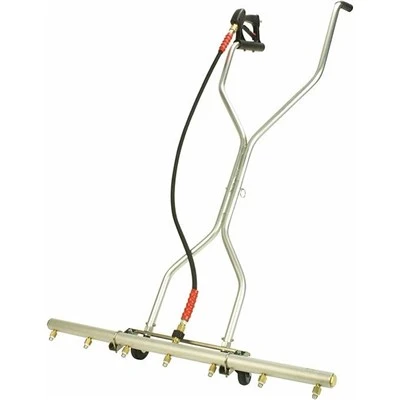
If you’re a homeowner looking to upgrade your cleaning routine, or a property manager or business owner in need of a reliable bulk cleaner, our team can help you find the right formula for your specific tile needs. We work with every kind of space, from small apartments to large retail chains, and we can provide samples to test before you commit. If you’re tired of cleaners that leave streaks, damage your grout, or leave your floors looking dull even after mopping, get in touch with our team to discuss your requirements and find the best surface cleaner for your tile floors.
Surface Cleaner References
- American Institute for Cleaning Sciences. (2022. pH Balance in Floor Cleaners: Impact on Tile and Grout Durability.
- Stone Tile Institute. (2021. Care and Maintenance of Porous Tile Surfaces.
- Environmental Protection Agency. (2020. Safer Choice Certified Cleaning Products: Performance and Eco-Benefits.
- Journal of Cleaning Science. (2023. Surfactant Residue Buildup on Non-Porous Flooring: Effects on Long-Term Appearance.
Zhejiang GTM Hi-Tech Intelligent Equipment Co., Ltd.
We are one of the most experienced surface cleaner manufacturers and suppliers in China, also support customized service. Please feel free to buy discount surface cleaner for sale here from our factory. Quality products and reasonable price are available.
Address: No.5 of Changjiang Road, 2nd Economic Development Zone of Wenling, Zhejiang, China
E-mail: yehuanting1@hongyemfg.com
WebSite: https://www.gtmplungerpump.com/
