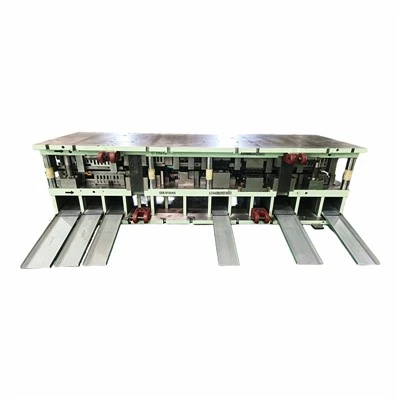
Transportation requirements play a crucial role in the supply chain of home appliance stamping parts. As a supplier of home appliance stamping parts, I understand the significance of ensuring these parts reach our customers in perfect condition. In this blog, I will delve into the various transportation requirements for home appliance stamping parts, covering aspects such as packaging, handling, shipping modes, and regulatory compliance. Home Appliance Stamping Parts
Packaging
Proper packaging is the first line of defense for home appliance stamping parts during transportation. These parts are often made of metal and can be easily damaged by scratches, dents, or rust. Therefore, the choice of packaging materials and methods is of utmost importance.
- Material Selection: We typically use high – quality corrugated cardboard boxes, wooden crates, or plastic containers for packaging. Corrugated cardboard boxes are lightweight and cost – effective, suitable for smaller and less fragile stamping parts. Wooden crates, on the other hand, offer more protection and are ideal for larger and heavier parts. Plastic containers are durable and resistant to moisture, which is beneficial for preventing rust.
- Internal Cushioning: Inside the packaging, we use cushioning materials such as foam inserts, bubble wrap, or packing peanuts to protect the stamping parts from impact. Foam inserts can be custom – made to fit the shape of the parts precisely, providing excellent shock absorption. Bubble wrap is a versatile and widely used cushioning material that can be wrapped around individual parts. Packing peanuts are lightweight and can fill the empty spaces in the packaging to prevent parts from moving around.
- Sealing and Labeling: After the parts are properly placed in the packaging, we seal the boxes or crates securely. We also label the packages clearly with information such as part numbers, quantity, handling instructions, and destination addresses. This helps in easy identification and handling during transportation.
Handling
The way home appliance stamping parts are handled during transportation can significantly affect their quality. From the moment the parts leave our warehouse to the time they reach the customer’s facility, proper handling procedures must be followed.
- Loading and Unloading: When loading the stamping parts onto trucks, trains, or ships, we ensure that they are placed carefully to avoid any damage. Forklifts or other handling equipment are used, and the operators are trained to handle the parts gently. During unloading, the same level of care is taken. The parts are removed from the transportation vehicles one by one, and any signs of damage are immediately noted.
- Stacking and Storage: If the parts need to be stored during transportation, proper stacking is essential. We follow the stacking instructions provided by the packaging design to prevent over – stacking, which can lead to deformation of the parts at the bottom. In addition, the storage area should be clean, dry, and well – ventilated to prevent rust and other forms of damage.
Shipping Modes
There are several shipping modes available for transporting home appliance stamping parts, each with its own advantages and disadvantages. The choice of shipping mode depends on factors such as distance, cost, delivery time, and the nature of the parts.
- Trucking: Trucking is a popular choice for short – to medium – distance transportation. It offers flexibility in terms of pick – up and delivery times and can directly reach the customer’s location. Trucks are also suitable for transporting small to medium – sized batches of stamping parts. However, trucking can be affected by traffic conditions, which may lead to delays.
- Rail Transport: Rail transport is more cost – effective for long – distance transportation of large quantities of stamping parts. It is also relatively stable and less affected by weather conditions compared to trucking. However, rail transport may require additional handling and transfer processes, which can increase the risk of damage.
- Sea Freight: For international shipments, sea freight is often the preferred option. It can handle large volumes of goods at a relatively low cost. However, sea freight has a longer transit time, and the parts need to be properly protected against the harsh marine environment, including saltwater corrosion.
- Air Freight: Air freight is the fastest shipping mode, suitable for urgent orders or high – value stamping parts. However, it is also the most expensive option. The parts need to be packaged in a way that meets the strict requirements of air transportation, including weight and size limitations.
Regulatory Compliance
When transporting home appliance stamping parts, we must comply with various regulations at both the domestic and international levels.
- Domestic Regulations: In our country, there are regulations regarding the transportation of goods, including safety requirements for vehicles, handling procedures, and environmental regulations. For example, trucks need to be properly maintained and equipped with safety devices. The packaging of the stamping parts should also meet certain environmental standards to ensure recyclability.
- International Regulations: For international shipments, we need to comply with regulations such as customs requirements, import and export restrictions, and international shipping standards. We must provide accurate documentation, including bills of lading, commercial invoices, and packing lists. In addition, some countries may have specific regulations regarding the import of metal products, such as anti – dumping duties or quality control requirements.
Insurance
To protect against potential losses during transportation, we recommend that our customers purchase insurance for the home appliance stamping parts. Insurance can cover damages caused by accidents, natural disasters, or theft during transit. We work with reliable insurance providers to offer our customers comprehensive insurance options at competitive prices.
Communication and Tracking
Maintaining good communication with our customers during the transportation process is essential. We provide regular updates on the status of the shipment, including the estimated time of arrival. We also offer tracking services, allowing customers to monitor the location of their stamping parts in real – time. This transparency helps build trust with our customers and allows them to plan their production schedules accordingly.
Conclusion
In conclusion, the transportation of home appliance stamping parts requires careful consideration of various factors, including packaging, handling, shipping modes, regulatory compliance, insurance, and communication. As a supplier, we are committed to ensuring that our stamping parts are transported in the safest and most efficient way possible. By meeting these transportation requirements, we can guarantee the quality of our products and provide our customers with a satisfactory experience.
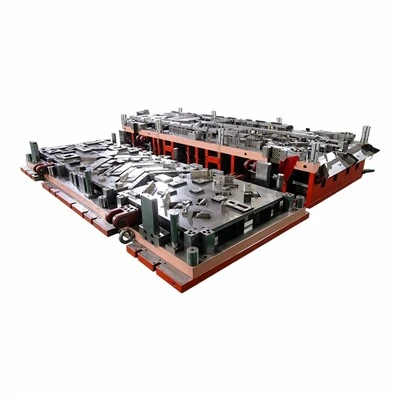
Transfer Dies & Tandem Dies If you are in the market for home appliance stamping parts and want to discuss your procurement needs, please feel free to reach out to us. We look forward to working with you to provide high – quality stamping parts and reliable transportation solutions.
References
- "Packaging Design for Product Protection" by some packaging expert, published in a well – known packaging technology journal
- "Transportation Regulations Handbook", a comprehensive guide on domestic and international transportation regulations
- "Best Practices in Handling and Shipping Metal Products", a white paper from an industry association
Dongguan Changdong Tool & Die Co., Ltd.
With abundant experience, we are one of the most reliable home appliance stamping parts manufacturers and suppliers in China. Please feel free to buy advanced home appliance stamping parts made in China here from our factory. Good service and quality products are available.
Address: No. 56-B, Fumin South Road, Dalang Town, Dongguan City, Guangdong Province, China
E-mail: sales@stamping-die.com
WebSite: https://www.metalstampingdie.com/
