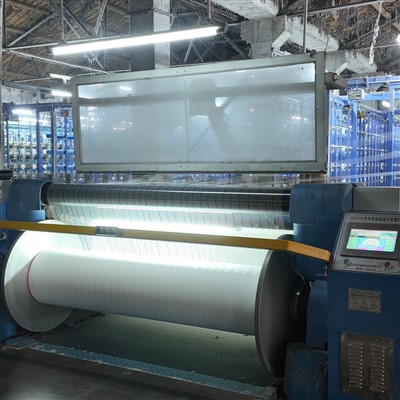
Operating a sizing machine safely is of utmost importance for both the well – being of the operators and the efficient production of high – quality textile products. As a sizing machine supplier, I’ve witnessed firsthand the significance of proper safety procedures in the textile industry. In this blog, I’ll share some key aspects of safely operating a sizing machine. Sizing Machine
Pre – operation Checks
Before starting the sizing machine, a series of pre – operation checks should be carried out. First and foremost, inspect the overall physical condition of the machine. Look for any visible signs of damage such as cracks on the frame, loose bolts, or worn – out parts. Faulty machine components not only pose a safety risk but can also lead to sub – standard sizing results.
Examine the electrical system. Check if all wires are properly connected, without any exposed conductors. Loose or frayed wires can cause electrical short – circuits, which may result in equipment damage, fire, or electric shock to the operators. Ensure that the grounding system is in good condition, as a proper ground connection helps to protect against electrical hazards.
Verify the level and quality of the sizing agent. The sizing agent should be free from contaminants. An improper or contaminated sizing agent can affect the sizing process and may also cause blockages in the machine’s pipes and nozzles. Additionally, check the storage container of the sizing agent for any leaks.
Inspect the lubrication system of the machine. Proper lubrication reduces friction between moving parts, extends the machine’s lifespan, and ensures smooth operation. Make sure that the lubricant reservoirs are filled to the appropriate levels and that the lubrication lines are not clogged.
Operator Training
Well – trained operators are the cornerstone of safe sizing machine operation. Provide comprehensive training to all operators who will be using the sizing machine. The training should cover both theoretical knowledge and practical skills.
On the theoretical front, teach operators about the working principle of the sizing machine. They should understand how different components interact with each other during the sizing process. This knowledge will enable them to better identify and troubleshoot potential problems. Also, educate them on the properties of the sizing agents being used, including their chemical composition, safety precautions, and the impact they have on the textiles.
In terms of practical skills, train operators on how to start, stop, and adjust the machine properly. They should be familiar with all the control panels, buttons, and levers. Practice procedures such as threading the warp yarns through the machine, which requires precision and attention to detail. Operators should also be trained on how to handle emergency situations, such as how to quickly shut down the machine in case of an accident or critical malfunction.
Regularly conduct refresher training courses to keep operators updated on the latest safety standards and best – practice operating procedures. Encourage operators to ask questions during the training and provide them with hands – on experience under the guidance of experienced technicians.
Safety Guards and Interlocks
Installing appropriate safety guards and interlocks is a crucial safety measure. Safety guards are physical barriers that prevent operators from coming into contact with moving parts of the sizing machine. For example, guards should be placed around rotating rollers, gears, and belts. These guards should be made of sturdy materials and be firmly attached to the machine.
Interlocks are safety devices that automatically stop the machine when a certain unsafe condition is detected. For instance, if a safety guard is opened during the operation of the machine, the interlock system should immediately halt the machine. This prevents operators from accidentally getting caught in the moving parts.
Regularly inspect the safety guards and interlocks to ensure that they are in good working condition. Any damaged or malfunctioning safety guard or interlock should be repaired or replaced immediately. Do not operate the sizing machine with broken safety devices, as it significantly increases the risk of accidents.
Workplace Safety
The workplace environment where the sizing machine is located also plays a vital role in ensuring safety. Keep the work area clean and organized. Remove any debris, waste materials, or tools that are not in use. A clutter – free workspace reduces the risk of tripping and falling.
Ensure proper ventilation in the sizing area. The sizing process may involve the release of fumes, especially when using certain types of sizing agents. Good ventilation helps to remove these fumes from the work area, protecting the operators from inhaling harmful substances. Consider installing exhaust fans or other ventilation systems if necessary.
Provide appropriate personal protective equipment (PPE) to the operators. This may include safety glasses to protect their eyes from flying debris, gloves to protect their hands from chemicals and sharp edges, and respiratory masks if there are potential inhalation hazards. Train operators on how to correctly wear and use the PPE.
Mark the work area clearly with safety signs. Signs such as "Caution: Moving Parts", "Wear Safety Gear", and "Emergency Exit" can help to raise awareness of potential hazards and guide operators in an emergency.
Maintenance and Troubleshooting
Regular maintenance is essential for the safe operation of the sizing machine. Develop a maintenance schedule that includes daily, weekly, monthly, and annual maintenance tasks. Daily maintenance may involve tasks such as cleaning the machine, checking for loose parts, and topping up lubricants. Weekly maintenance could include more in – depth inspections of certain components, while monthly and annual maintenance may involve major overhauls and component replacements if necessary.
Keep detailed records of all maintenance activities. This helps to track the machine’s performance over time and identify any recurring problems. When conducting maintenance, always follow the manufacturer’s instructions.
In the event of machine troubleshooting, operators should be trained to follow a systematic approach. First, identify the problem through careful observation and analysis. Check error messages on the control panel if available. Then, isolate the faulty component. Do not attempt to repair the machine while it is still powered on. Always follow lock – out/tag – out procedures to ensure that the machine cannot be accidentally started during the repair process.
Continuous Monitoring and Improvement
Implement a system for continuous monitoring of the sizing machine’s performance and safety. This can include real – time monitoring of machine parameters such as temperature, pressure, and speed. Deviations from normal parameters can indicate potential problems.
Encourage operators to report any safety concerns or near – miss incidents immediately. Analyze these reports to identify areas for improvement. Regularly review and update safety procedures based on new technologies, industry standards, and lessons learned from past incidents.
In conclusion, operating a sizing machine safely requires a combination of pre – operation checks, well – trained operators, proper safety guards and interlocks, a safe workplace environment, regular maintenance, and continuous improvement. By following these steps, manufacturers can not only protect their operators but also ensure the efficient and high – quality production of textiles.
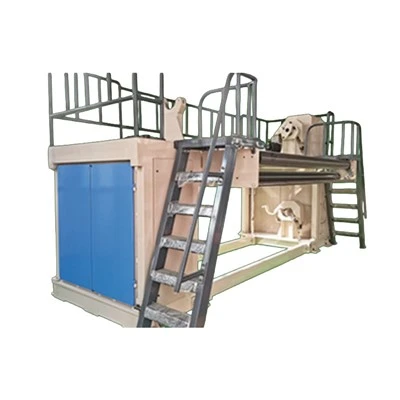
Beaming Machine If you’re in the market for a reliable sizing machine or would like to discuss how to enhance the safety of your current sizing operations, I invite you to reach out to us. Our team of experts is ready to provide you with the best solutions. Whether you need to upgrade your existing equipment or invest in a new sizing machine, we can offer tailored advice and support. Let’s work together to achieve safe and efficient textile production.
References
- Textile Machinery Handbook: A comprehensive guide on the operation and maintenance of various textile machinery, including sizing machines.
- Occupational Safety and Health Administration (OSHA) standards related to textile manufacturing, which provide guidelines on workplace safety and equipment operation.
- Industry – specific research papers on sizing machine technology and safety published in leading textile journals.
Jiangsu Huanqiu Jingtian Machinery Co., Ltd.
As one of the most professional sizing machine manufacturers and suppliers in China, we are able to meet the needs of the majority of our customers. Please feel free to buy high quality sizing machine made in China here from our factory. Contact us for more details.
Address: No.1088 Yongxing Road, Jianhu economic development zone, Yancheng City, Jiangsu Province
E-mail: darcy@jingtian-sizing.com
WebSite: https://www.cnhqjtjx.com/
